
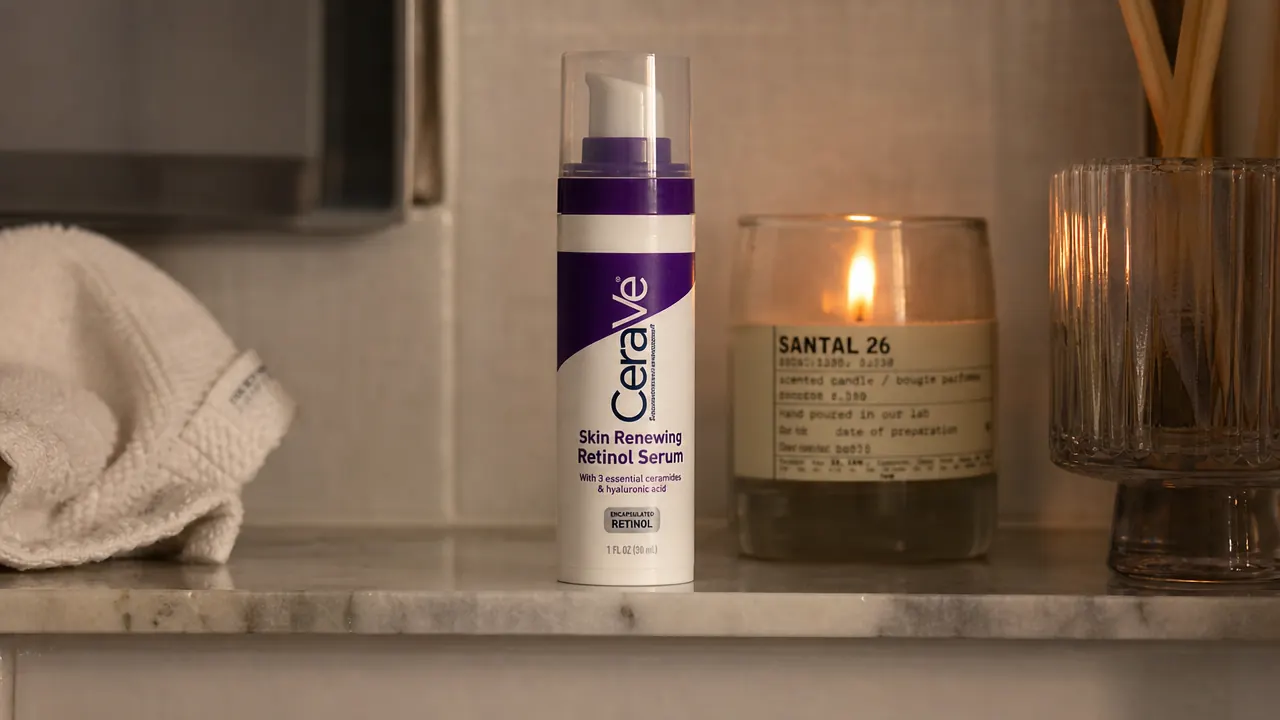
I put off starting retinol for years. Not because I did not believe in it, but because every forum thread I read described some version of the same nightmare: red, peeling skin, a purge breakout that lasted weeks, and then the question of whether it was even working. At 43, with fine lines settling in around my eyes and a texture issue I could not blame on anything except time, I finally decided to stop waiting. I picked up CeraVe Anti Aging Retinol Serum because it came up repeatedly as a gentler starting point, the encapsulated retinol supposedly releasing slowly to cut down on that initial irritation wave. I used it every single night for 12 weeks. Here is everything that happened.
Quick note before we get into it: I have combination skin that leans dry in winter, no history of rosacea, and I was a complete retinol beginner going into this. My concerns were fine lines around my eyes and forehead, uneven texture on my cheeks, and some fading discoloration from a few old blemish marks. I did not use any other active ingredients during this test period, just a gentle cleanser, the serum, a ceramide moisturizer, and SPF 30 every morning without fail.
The Quick Verdict
A genuinely beginner-friendly retinol that delivers real texture and fine-line improvements by week eight, with irritation that stays manageable if you start slow. No overnight transformations, but one of the most forgiving retinols I have tested.
Amazon Check Today's Price →If you have been putting off retinol because of the horror stories, this is the one to start with.
CeraVe's encapsulated retinol is formulated with niacinamide and hyaluronic acid to buffer irritation. Rated 4.6 stars from over 28,000 Amazon reviews.
Amazon Check Today's Price on Amazon →How I Used It: The Slow-Build Schedule
Every dermatologist I have read recommends the same thing for retinol beginners: do not apply it every night right away. I followed a ramp-up schedule that looked like this. Weeks one and two, every third night. Weeks three and four, every other night. Week five onward, nightly. Some people call this the sandwich method where you apply moisturizer before and after the retinol, but I did not find that necessary with CeraVe's formula. The niacinamide and hyaluronic acid in the serum seemed to do enough buffering on their own.
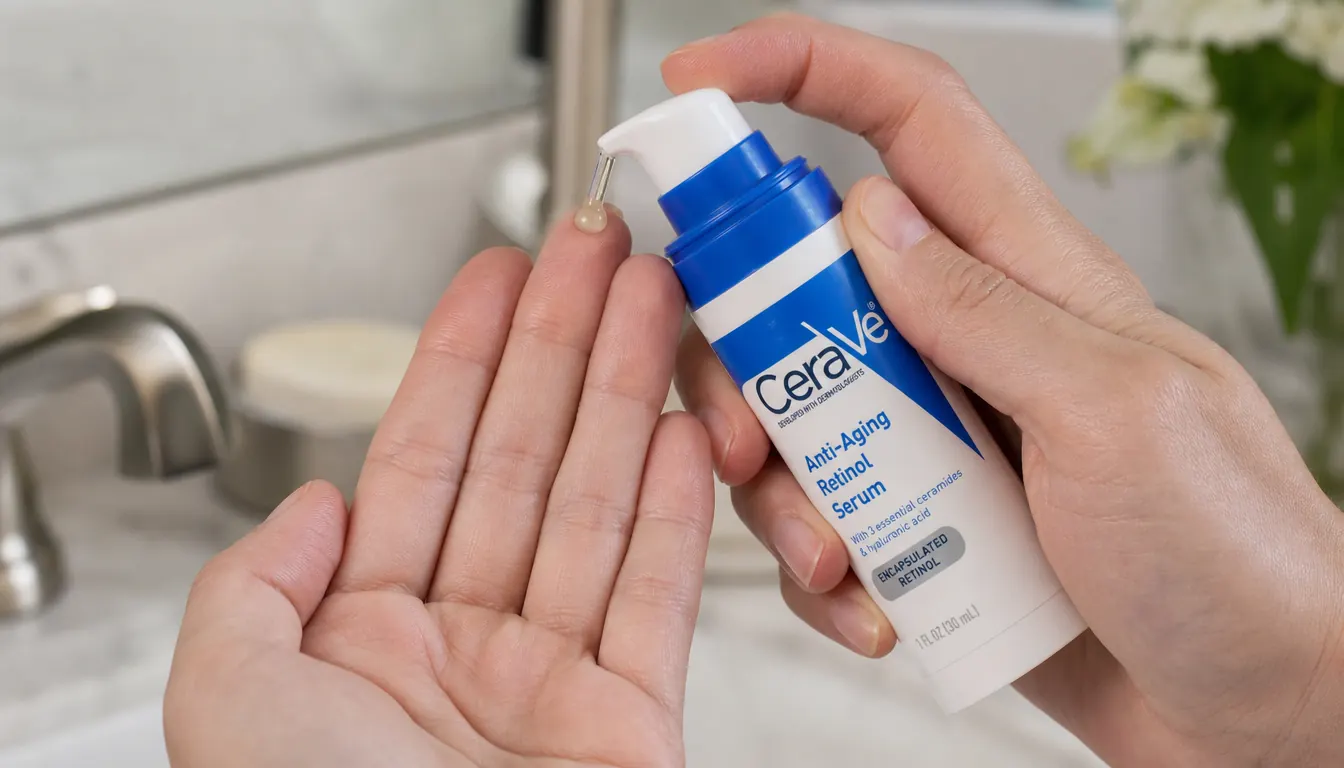
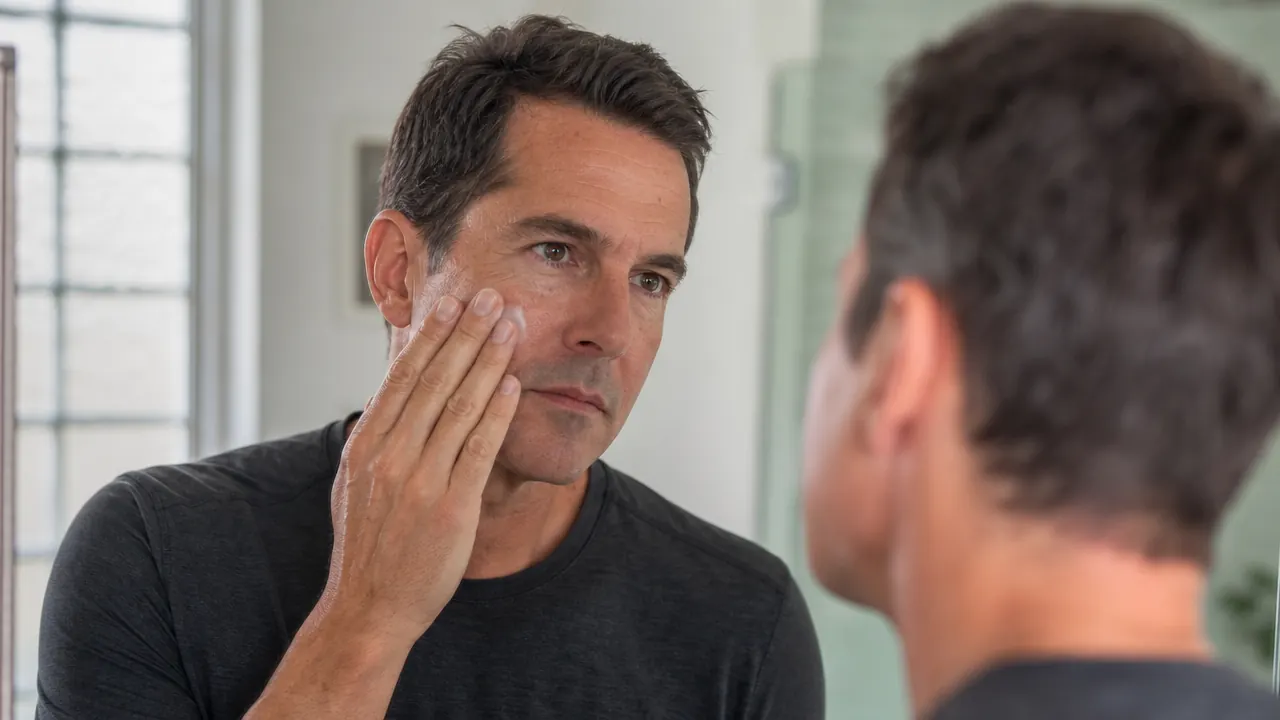
Application was straightforward. After cleansing and patting my face dry, I waited a full two minutes for my skin to stop being damp (wet skin drives retinol in deeper and can spike irritation). Then a pea-sized amount, warmed between my fingers, pressed gently across my forehead, cheeks, and the sides of my nose. I avoided the skin directly under my eyes for the first four weeks, then started feathering it in carefully from week five. Moisturizer on top, lights out. Every single morning, SPF 30 without exception. Retinol increases photosensitivity and skipping sunscreen would cancel a lot of the benefit.
One thing I want to be upfront about: this is not a one-pump-and-done situation. The pump dispenses a smaller amount than you might expect, which is actually correct. You genuinely need only a pea-sized amount for your whole face. More does not speed up results. It just increases the odds of irritation.
Weeks One Through Four: The Quiet Phase (Before the Purge)
The first two weeks felt almost boring. No tingling. No redness. No dramatic purge. My skin looked and felt about the same as it always did, and I started to wonder whether I was doing something wrong or whether the encapsulated retinol was just not releasing at all. I later learned this is completely normal. Retinol works at the cellular level and the early weeks are all subsurface activity you cannot see yet.
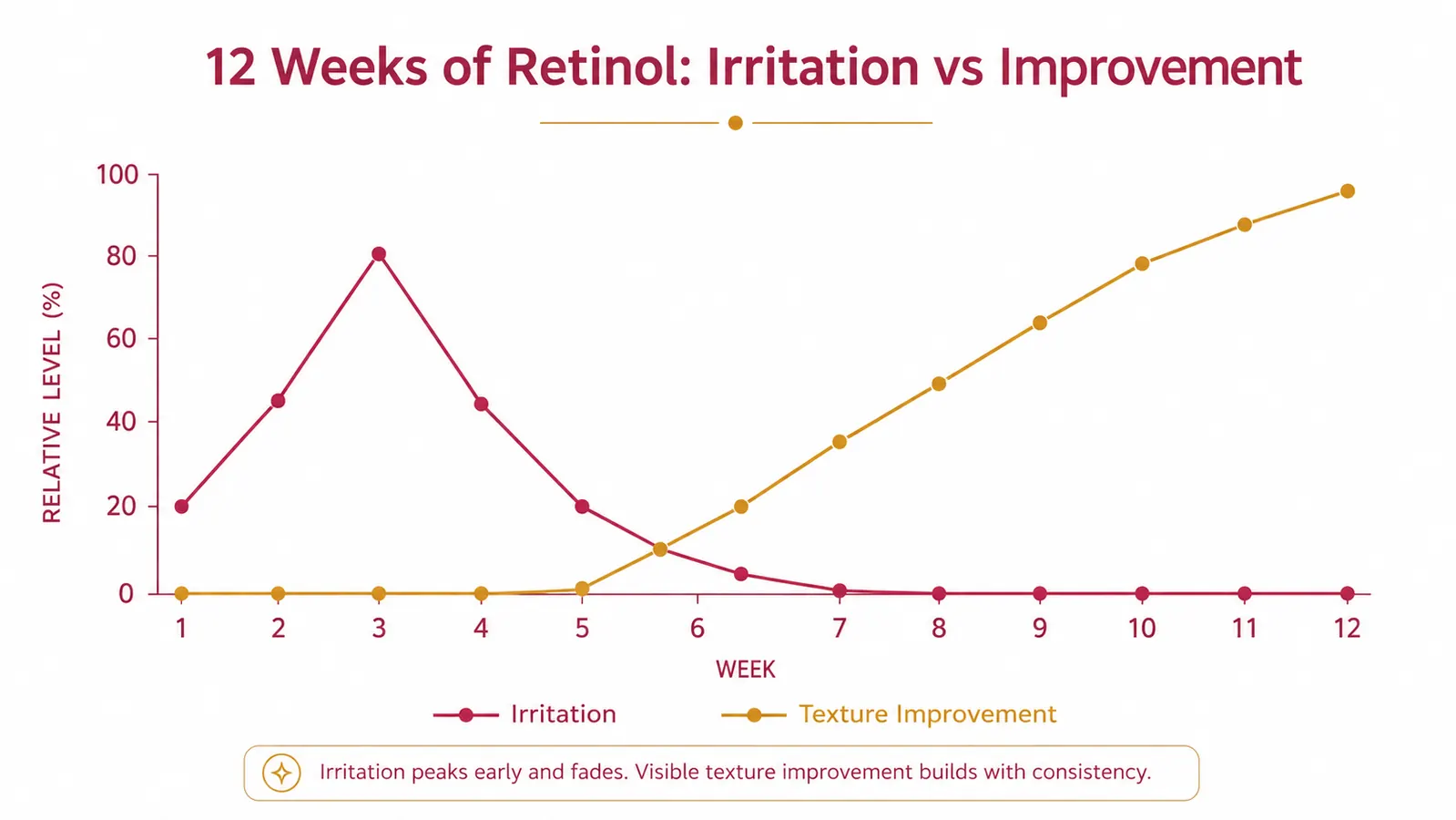
Week three is where things got real. I woke up on a Wednesday with two small blemishes on my left cheek in an area that almost never breaks out. My skin felt slightly tight after cleansing, and there was some mild flaking at my hairline. This is the classic retinol purge: accelerated cell turnover pushing congestion to the surface faster than usual. I almost stopped here. I did not, and I am glad, but I want to be honest that week three through the beginning of week four was the lowest point of the whole process. Nothing severe, but enough to test my patience.
The trick that got me through it was cutting back to every other night for a few days and adding a slightly richer moisturizer on top. Within ten days, the flaking calmed down and the blemishes cleared. My skin had adjusted.
The Encapsulated Retinol Formula: What It Actually Means
CeraVe uses encapsulated retinol, which means the retinol molecule is wrapped in a microscopic sphere that breaks down slowly on the skin rather than releasing all at once. Standard retinol serums deliver the active immediately on contact, which is why they tend to cause more initial redness and peeling. The encapsulated version is not weaker in the end result. The research suggests similar efficacy over time. It is just a gentler delivery mechanism that lets your skin adapt without the shock.
The formula also includes niacinamide, which reduces redness and supports the skin barrier, and three types of ceramides, which help repair and maintain that same barrier while retinol is doing its work. Hyaluronic acid rounds it out to keep moisture levels up during the adjustment period. For a retinol beginner, this ingredient list reads like a thoughtful design: put the active in, then build in everything that typically gets damaged by it. It is a smarter approach than a lot of bare-bones retinol formulas at higher price points.
Week three was rough. Two small blemishes, some flaking, tight skin after washing. I almost stopped. I did not, and by week eight my skin looked noticeably different. That gap in between is just the cost of retinol.
Weeks Five Through Eight: When Things Actually Changed
By week five, I was applying it nightly without any reaction at all. The purge had passed and my skin felt smoother to the touch than it had before I started. The texture on my cheeks, which had a slightly rough quality I had lived with for years, started feeling noticeably different. Not completely smooth, but visibly improved. Running my fingers across my skin in the morning had a new quality to it and that sounds minor until it is your skin.
The fine lines around my eyes and forehead were the next thing I noticed. They did not disappear. Retinol does not erase lines at eight weeks, and anyone telling you otherwise is selling something. But they looked less defined, less etched in. The skin around them had a plumper quality, most likely from the hyaluronic acid plus the increased cell turnover making the surface more even. I started getting a comment or two from people in my life that I looked like I was sleeping better. I was not. My skin was just responding.
The old blemish marks that had bothered me started fading more quickly than they had been. Retinol speeds up skin cell turnover, which means old pigmentation gets cycled out faster. By week eight, two marks that had been sitting on my cheek for six-plus months were noticeably lighter. Not gone, but clearly on the way out.
Weeks Nine Through Twelve: Settling In
The final month was the most rewarding. My skin had fully adjusted to nightly use and the application felt routine rather than an experiment. The texture improvement held and deepened a little further. The fine lines around my forehead looked softer. The overall tone felt more even. I also noticed my pores looked slightly smaller on my nose, which was a bonus I had not expected.
One honest note: the under-eye area showed the least improvement. I had started applying the serum there in week five, very carefully and sparingly, but the lines directly under my eyes looked about the same at week twelve as they had at week one. For that zone I think a dedicated eye cream would work harder. The retinol serum is more effective on larger surface areas where it can really do the turnover work. This is probably worth knowing before you decide retinol is the answer to every concern.
Sunscreen Is Not Optional with This Serum
I want to spend a paragraph on this because it is the most commonly skipped step. Retinol increases your skin's photosensitivity by thinning the outer layer of dead cells that normally provides some baseline UV protection. If you use retinol at night and then go outside unprotected in the morning, you are actively working against yourself. Your new skin cells are more vulnerable to sun damage, which is the same type of damage retinol is supposed to be helping you reverse. SPF 30 minimum, every morning, no exceptions. This is not optional advice. It is part of how retinol works.
I use a lightweight mineral SPF on the mornings after applying the serum. The CeraVe tinted mineral sunscreen is a good pairing if you want something from the same brand family that will not leave a white cast. The key is just that you use something, consistently.
What I Liked
- Encapsulated delivery makes initial irritation much more manageable than standard retinol formulas
- Niacinamide and ceramides help maintain the skin barrier while the retinol does its work
- Real, visible texture improvement by weeks six through eight for most beginners
- Fragrance-free, so no unnecessary irritants added on top of the active
- 4.6-star rating from over 28,000 Amazon reviewers confirms this is not a one-person experience
- Priced accessibly for a long-term daily-use product
Where It Falls Short
- Week three purge is real: expect at least a week of adjustment regardless of how gently you ramp up
- Fine lines require 10 to 12 weeks before you see meaningful improvement, not four
- Under-eye area responds slower, a dedicated eye cream may serve that zone better
- Results stop when you stop: this is a maintenance commitment, not a one-time fix
- The pump dispenses a smaller amount than most people expect, which can feel underwhelming at first
How It Compares to The Ordinary Retinol
The most common alternative people consider alongside CeraVe is The Ordinary's retinol lineup. The Ordinary offers higher-percentage retinol options at a lower per-ounce price, which makes them appealing on paper. The tradeoff is that standard (non-encapsulated) retinol at higher concentrations tends to cause more upfront irritation and requires a more careful ramp-up. For someone who has used retinol before and wants to step up in strength, The Ordinary makes sense. For a first-timer, or anyone with dryness-prone or reactive skin, CeraVe's buffer system is doing real work that is worth the slightly higher price point. I have a full comparison of both in my article on CeraVe Retinol vs The Ordinary if you want the side-by-side breakdown.
Who This Is For
CeraVe Anti Aging Retinol Serum is the right pick if you are new to retinol and worried about the adjustment phase. It is also a strong choice if you have combination or dry skin and want something that will not strip your barrier. It works well for anyone in their late 30s through 50s who is starting to notice fine lines, uneven texture, or slower turnover on their skin. The fragrance-free formula makes it suitable for people who tend to react to perfumed skincare. And the price point is approachable enough that you can commit to the full 12-week cycle without feeling like you are gambling on an expensive product. If you want to understand everything science says retinol can do before committing, the article on 10 reasons retinol reduces wrinkles is worth reading first.
Who Should Skip It
If you are pregnant or nursing, skip retinol entirely regardless of formula. Dermatologists universally advise against it during pregnancy. If you have rosacea or severely compromised skin, start with a conversation with your dermatologist before introducing any retinol. If you need fast, dramatic results on a short timeline, retinol is not the ingredient for you. It requires patience and a consistent months-long commitment to see the changes that make it worth the effort. Anyone who cannot reliably wear SPF every morning should also hold off. Retinol without daily sun protection is a losing strategy.
Three months in, I still apply it every night. That consistency is the answer.
CeraVe Anti Aging Retinol Serum with encapsulated retinol, niacinamide, and three ceramides. Fragrance-free. 4.6 stars from 28,000+ real users. If you are starting retinol for the first time, this is the version I would hand you.
Amazon Check Today's Price on Amazon →