

I have dull, uneven skin. Not bad skin, just the kind that looks tired before I am actually tired. Dark spots along my cheekbones from years of forgetting sunscreen, a bit of rough texture around my nose, and an overall flatness that no amount of sleep seems to fix. I am not a skincare fanatic. I wash my face, use a basic moisturizer, and that used to be it. But after a coworker told me my skin looked grey in a fluorescent-lit meeting room, I decided to actually try something. I picked up the TruSkin Vitamin C Serum for Face, which has over 155,000 Amazon reviews and a 4.4-star rating, and committed to using it every single morning for 90 days. No skipping. No switching products mid-test. Just one serum, every day, and honest notes about what I noticed.
Before I get into the results, one thing worth saying: if you have sensitive skin, do a patch test before you put any vitamin C serum on your whole face. I dabbed a small amount behind my ear for two days before starting. No reaction for me, but vitamin C can be irritating at higher concentrations, especially if your skin barrier is already compromised. That is not a disclaimer I am throwing in to cover myself. It actually matters. Now, here is what happened.
The Quick Verdict
A solid, honest-value vitamin C serum that delivers gradual brightening and texture improvement over 8 to 12 weeks. Not the fastest, not the most potent, but forgiving on skin and easy to stick with.
Amazon Check Today's Price →Your skin looked dull for years. An affordable serum might actually be why it changes.
TruSkin Vitamin C Serum has 155,000+ reviews and sits in the budget range. See today's price and current availability on Amazon before it changes.
Amazon Check Today's Price on Amazon →How I Used It
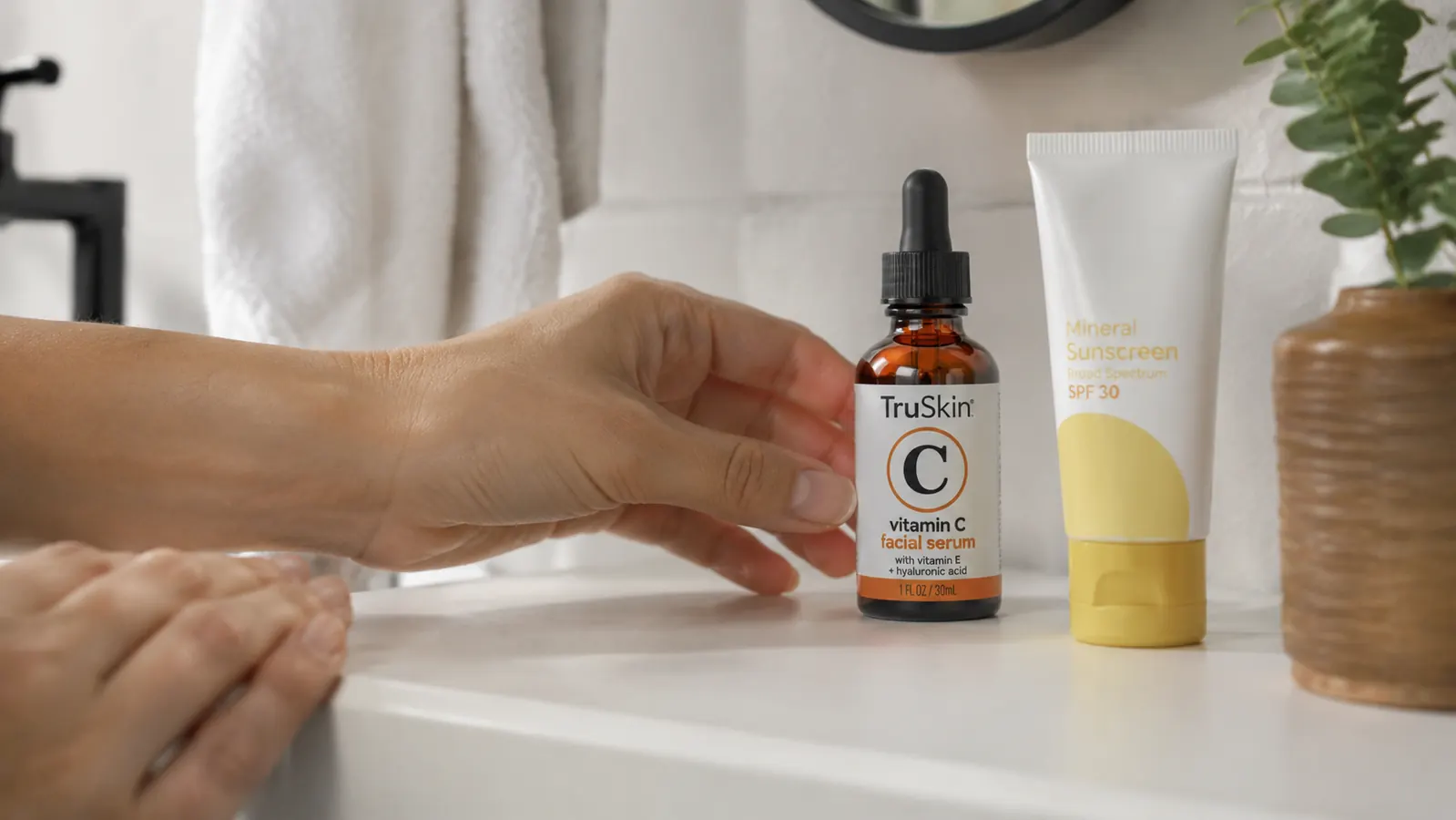
My routine during the 90 days was consistent on purpose. I cleansed with a gentle foam cleanser in the morning, patted my face mostly dry, then applied three to four drops of TruSkin Vitamin C Serum while my skin was still slightly damp. I pressed it in rather than rubbing it, waited about 60 seconds, then layered a lightweight moisturizer over the top. I followed with sunscreen, which is non-negotiable when you are using any vitamin C product. Vitamin C helps your skin fight UV damage, but it is not a replacement for SPF. In the evenings I did not use the serum at all. This is a morning-only formula for me.
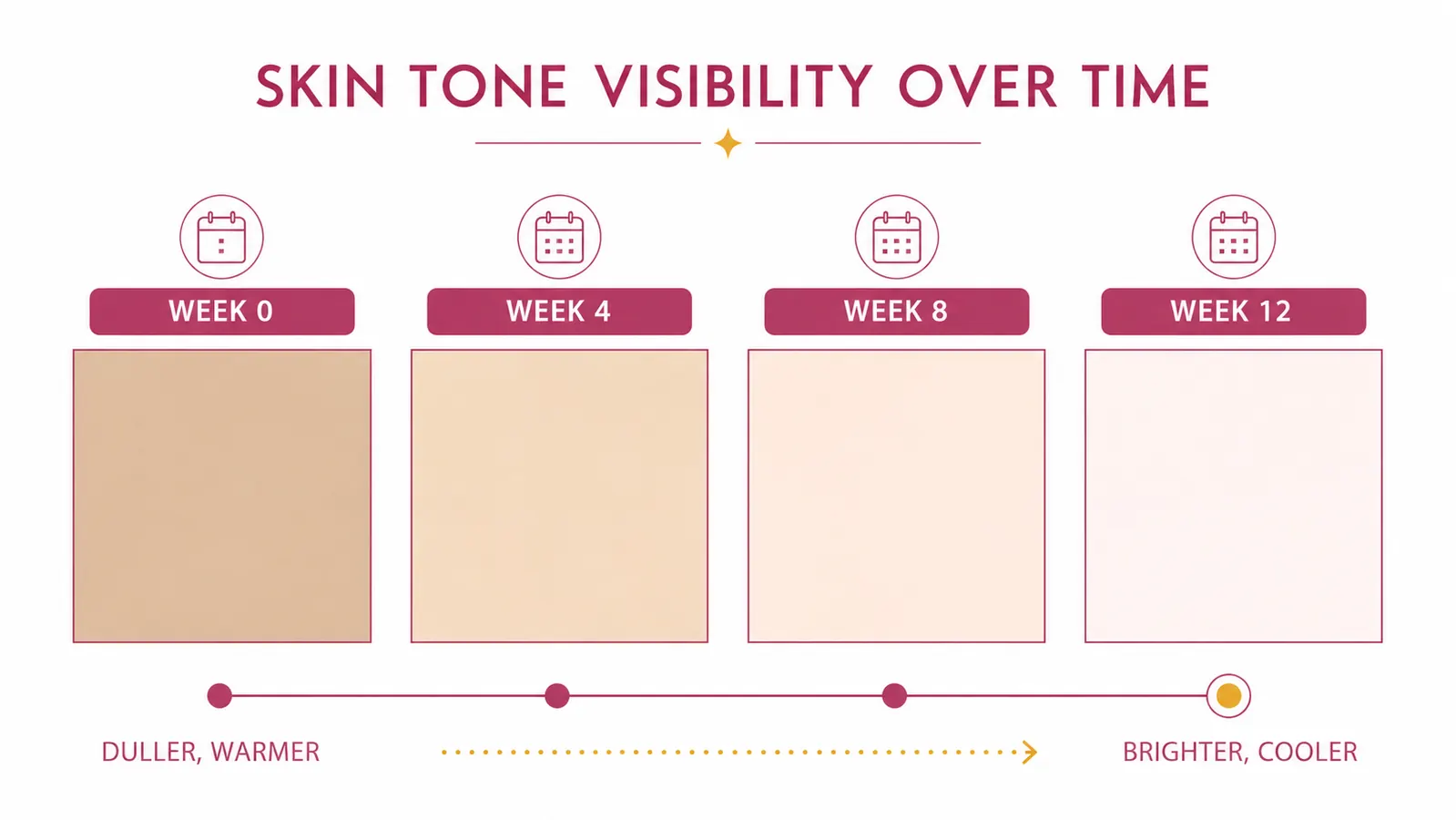
I took photos in the same light at weeks zero, four, eight, and twelve. Same phone, same bathroom window, same side of my face. I also kept notes on smell, texture, how my skin felt during the day, and any irritation. My skin type is combination, oily in the T-zone, drier on my cheeks, and I do not have any diagnosed skin conditions. If you have rosacea, eczema, or very reactive skin, your experience may differ from mine, and consulting a dermatologist before starting any active ingredient is worth doing.
One thing I want to say upfront: I went into this knowing that vitamin C results take time. Dermatologists consistently point to 8 to 12 weeks as the window where most people start seeing meaningful changes in brightness and dark spot fading. If you are looking for a two-week turnaround, vitamin C is not that ingredient, and TruSkin does not pretend otherwise.
Ingredient and Formula Deep Dive
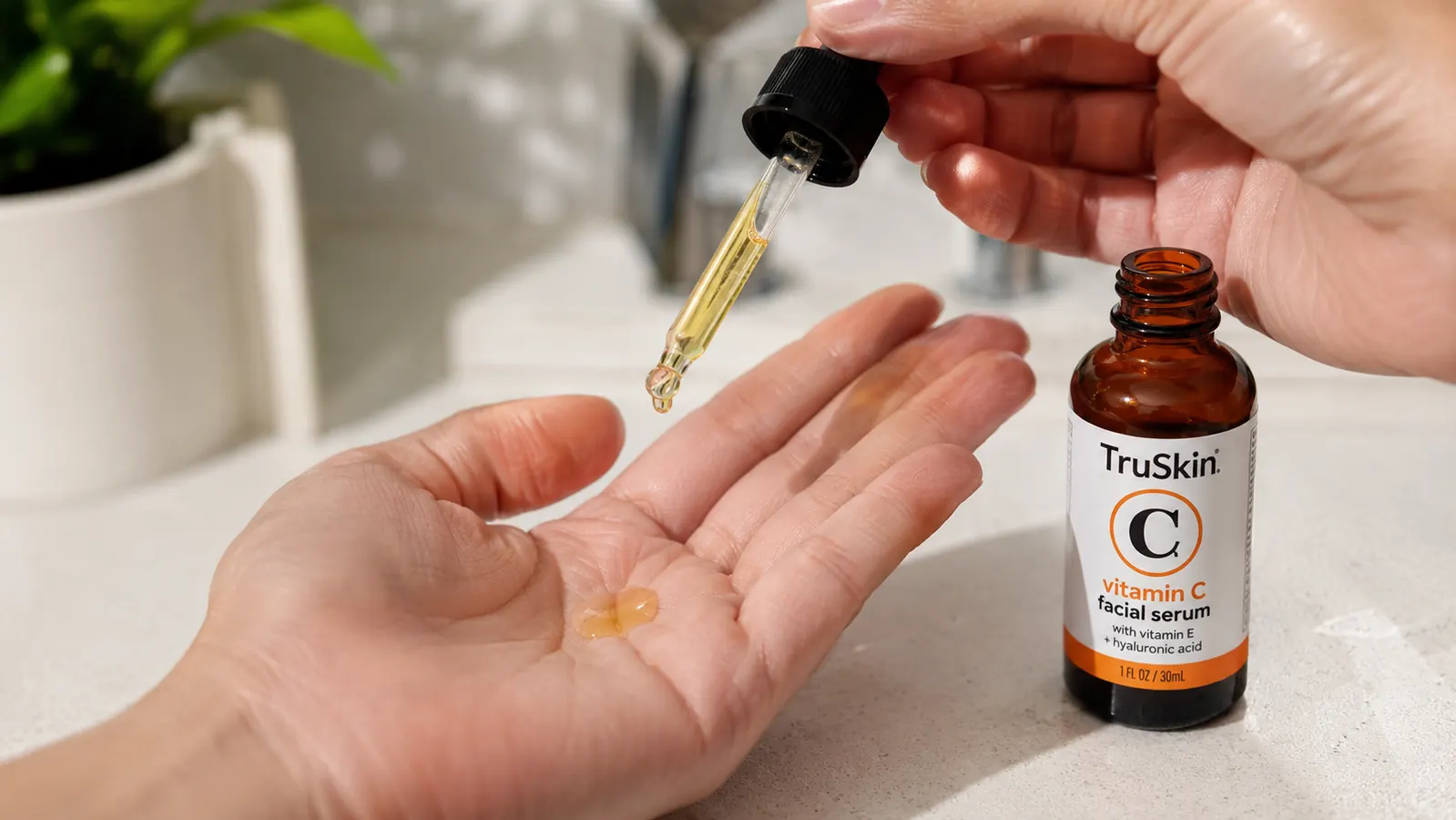
TruSkin uses a combination of vitamin C (as sodium ascorbyl phosphate rather than pure L-ascorbic acid), hyaluronic acid, and vitamin E. That combination is deliberate. Sodium ascorbyl phosphate is a more stable form of vitamin C, which means it oxidizes more slowly and does not turn brown in the bottle as fast as L-ascorbic acid formulas tend to. The trade-off is that it is generally considered less potent than L-ascorbic acid. If you are comparing this to a clinical-grade 20% L-ascorbic acid serum, TruSkin is working at a gentler, slower pace. That is not a flaw, but it is something to understand before buying.
The hyaluronic acid adds hydration without making the formula feel heavy, and vitamin E works alongside vitamin C to improve antioxidant effectiveness. The full ingredient list also includes aloe vera and botanical extracts, which likely contribute to the serum's skin-calming feel. There are no parabens, sulfates, or synthetic fragrances in the formula, which matters for people who react to those additives. The texture is a thin, slightly watery serum that absorbs in about 30 to 45 seconds on my skin. It does not leave a sticky residue, which I appreciated because I layer things on top.
One note on smell: TruSkin has a mild citrusy scent on application that dissipates quickly. It is not strong enough to bother me, but if you are fragrance-sensitive, you should be aware it is not completely odorless. I know some people expect vitamin C serums to smell faintly like a gas station vitamin drink. TruSkin is more subtle than that.
What Actually Changed Week by Week
Weeks one and two: nothing dramatic. My skin felt smooth and comfortable after applying it, and the hyaluronic acid kept things hydrated through the day. No irritation, no redness, no purging. I had read enough vitamin C reviews to know this was not unusual, but I will be honest that the zero-change phase tested my patience.
By week four, I noticed my skin had a little more clarity in the morning. Not glowing, not transformed, but the greyness that my coworker had pointed out was slightly less pronounced. My dark spots looked the same at week four, which is realistic. Hyperpigmentation takes longer than a month to respond to vitamin C, and anyone telling you otherwise is overselling the ingredient.
Week eight was the turning point. My wife asked if I had started doing something different with my skin. I had not changed anything else in my routine.
Week eight was genuinely encouraging. My wife asked unprompted if I had started doing something different. The two dark spots on my left cheek had lightened enough that I could see the difference against my week-zero photo. The texture felt more even. I was not imagining it because I had the side-by-side photos to reference. At week twelve, the dark spots were lighter still, not gone, but meaningfully faded. My overall skin tone looked more consistent and less patchy in the areas where I had sun damage.
I want to be specific about expectations here because I think most vitamin C reviews either oversell the results or frame minor changes as transformations. My skin at 90 days looked noticeably better, not dramatically different. If you are expecting to eliminate deep hyperpigmentation from years of sun damage in three months, you will be disappointed. If you are expecting gradual, real improvement in brightness, tone evenness, and skin feel, TruSkin delivered that for me.
Texture, Feel, and Daily Wearability
I want to spend a moment on this because it is why I actually stuck with TruSkin for the full 90 days rather than abandoning it in week two. The formula is pleasant to use. It goes on smoothly, it absorbs fast, and it does not interfere with anything I put on top of it. Some vitamin C serums have a thick, sticky consistency that makes moisturizer pill up on top. TruSkin did not do that once in three months. That matters because the best skincare product is the one you actually keep using.
The bottle is a dark amber glass dropper, which is correct for a vitamin C serum because light degrades the formula. I kept mine in a drawer away from direct sunlight and my bottle did not visibly oxidize during the 90 days. Some reviewers report the serum turning brownish by the halfway point, which indicates oxidation and reduced effectiveness. Keeping it stored correctly seems to prevent that.
Alternatives I Considered
Before committing to TruSkin, I looked at a few other options. The Ordinary Ascorbyl Glucoside Solution 12% is similarly priced and uses a different stable vitamin C derivative. CeraVe's vitamin C serum leans on ceramides for barrier support and is a strong option for dry or compromised skin. For a thorough side-by-side on TruSkin versus CeraVe specifically, I broke it down in my TruSkin vs CeraVe vitamin C comparison. Both are legitimate picks at this price point. What made me land on TruSkin for this test was its ingredient pairing of vitamin C plus vitamin E plus hyaluronic acid in one formula, which meant fewer products to layer.
If you are chasing faster results and your skin tolerates actives well, a higher-concentration L-ascorbic acid serum from a brand like Paula's Choice or SkinCeuticals CE Ferulic will outperform TruSkin on speed. You will also pay significantly more. TruSkin is positioned as a value pick for the gradual-brightening lane, and that is an honest positioning. It is not trying to be a clinical-grade product, and it should not be judged against one.
What I Liked
- Stable vitamin C form means a longer shelf life and less chance of the formula going orange in your cabinet
- Lightweight, non-sticky texture layers easily under moisturizer and SPF without pilling
- Hyaluronic acid and vitamin E are included in the base formula, so fewer separate steps
- Fragrance is minimal and dissipates quickly after application
- No parabens, sulfates, or synthetic fragrances, making it accessible to most skin types
- Genuinely noticeable brightening and spot fading results visible at the 8-week mark
Where It Falls Short
- Sodium ascorbyl phosphate works more slowly than L-ascorbic acid, so early weeks feel invisible
- Deep hyperpigmentation from years of sun damage will take longer than 90 days to significantly fade
- Mild citrus scent on application, which matters if you are completely fragrance-sensitive
- Dropper bottle can dispense more than you need if you are not careful, which wastes product over time
Who This Is For
TruSkin Vitamin C Serum is a strong fit for people who are new to vitamin C serums and want something forgiving to start with. If you have mild to moderate dullness, early dark spots from sun damage, or an uneven skin tone that you want to address gradually, this serum delivers results at a price that does not require a financial commitment to find out. It also works well for people with combination or normal skin who want to add an antioxidant step to their morning routine without changing everything else. I would also point people who have struggled with irritation from other vitamin C serums toward TruSkin because the stable derivative and gentle formula are less likely to cause redness or stinging. If you want a quick summary of the scientific reasons vitamin C works on skin brightening, I covered ten of them in my vitamin C brightening explainer.
Who Should Skip It
If you are dealing with significant hyperpigmentation from acne scars, melasma, or years of unprotected sun exposure, TruSkin at this strength will be a slow road. A stronger L-ascorbic acid serum, or a prescription treatment from a dermatologist, will move the needle faster. People who have very dry or compromised skin barriers might also prefer a formula with added ceramides, like CeraVe's option, which provides barrier repair alongside brightening. And if you want the fastest possible results from vitamin C and your skin can tolerate a higher-concentration formula, TruSkin is not where I would direct you. It is built for consistency over speed, and for some skin types and goals, speed matters.
If your skin is ready for a real vitamin C serum, this is the one I actually finished.
Three months in, I still reach for TruSkin every morning. It is budget-friendly, it plays nicely with the rest of your routine, and it delivers results if you give it the time it needs. Check today's price on Amazon.
Amazon Check Today's Price on Amazon →