
I spent six weeks running CeraVe Retinol Serum and The Ordinary Retinol 0.2% in Squalane side by side, alternating nights on opposite cheeks and tracking what I saw in the mirror each morning. I am not a dermatologist. I am a 34-year-old guy with combination skin, some early forehead lines, and a track record of buying skincare products that sit unused in a drawer after two nights of redness. So when I say I have opinions about which one actually works for people like me, I mean that in the most practical, lived-in way possible.
The core question here is not which product has a higher retinol concentration. It is which product a normal person can actually stick with long enough to see results. Those are very different questions, and they lead to very different answers.
| Feature | CeraVe Retinol Serum | The Ordinary Retinol 0.2% in Squalane |
|---|---|---|
| Retinol Delivery | Encapsulated retinol (time-released, micro-encapsulated technology) | Standard retinol 0.2% suspended in squalane (no encapsulation) |
| Supporting Ingredients | 3 ceramides (1, 3, 6-II), niacinamide, hyaluronic acid | Squalane base only, minimal supporting cast |
| Gentleness / Barrier Support | High, ceramides actively repair barrier while retinol works | Moderate, squalane soothes but does not rebuild barrier |
| Irritation Risk for Beginners | Low, encapsulation slows retinol release, reducing peak irritation | Moderate to high at 0.5%+ concentrations; 0.2% is mild but direct |
| Price Tier | Mid-range drugstore option | Budget |
| Best For | Beginners, sensitive or dry skin, anyone who has quit retinol before due to irritation | Experienced retinol users on a tight budget, oilier skin types tolerating direct actives |
| Formula Feel | Lightweight serum, absorbs quickly, no greasy residue | Oil-based, slightly tacky, works well under a moisturizer |
| Derm Recommendation Pattern | Frequently recommended for retinol beginners by board-certified dermatologists | Recommended when cost is the primary barrier and skin has prior retinol tolerance |
| Amazon Rating | 4.6 stars / 28,000+ reviews | Not available via Amazon affiliate link |
Still dealing with irritation every time you try retinol? CeraVe's encapsulated formula might be the reason you finally stick with it.
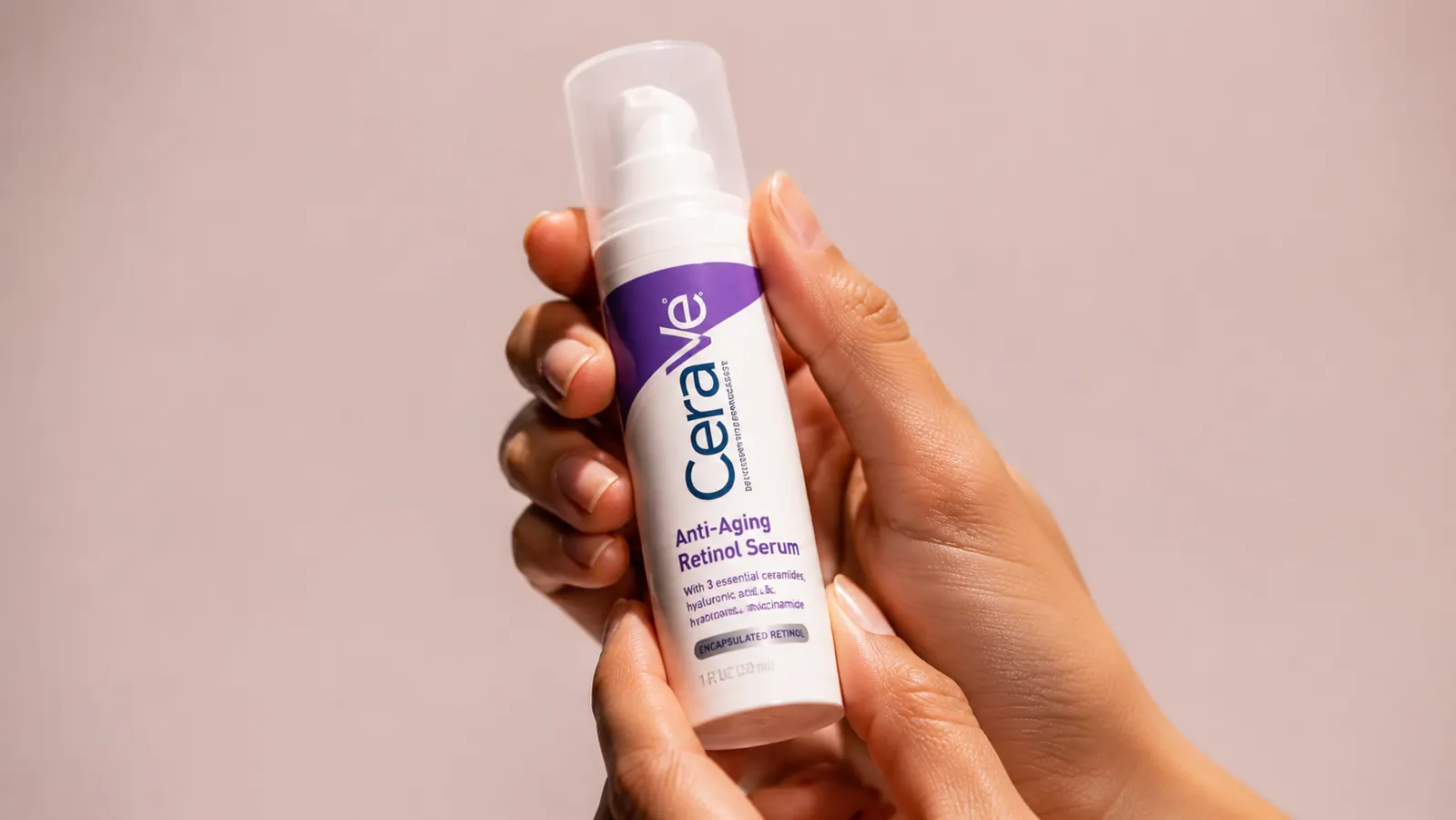
CeraVe Retinol Serum is formulated with encapsulated retinol plus ceramides to rebuild the skin barrier at the same time the retinol works. It is the closest thing to a beginner-proof retinol formula you will find at a drugstore price.
Amazon Check Today's Price on Amazon →Where CeraVe Retinol Serum Wins
The biggest advantage CeraVe has is not marketing. It is formulation strategy. Encapsulated retinol means the active ingredient is wrapped in a tiny sphere that slowly releases over hours rather than hitting your skin all at once. The result is that your skin gets exposed to less retinol at peak concentration, which is exactly when irritation, peeling, and that miserable tight feeling tend to happen. In my six-week test, the CeraVe side of my face had noticeably less flaking in weeks two and three, the notoriously rough patch for new retinol users.
The ceramide story matters too. Retinol works by accelerating cell turnover, which temporarily disrupts the skin's lipid barrier. CeraVe counters this directly by loading the formula with three ceramides (1, 3, and 6-II) plus niacinamide. You are not just getting retinol delivered to your skin. You are getting retinol delivered alongside the exact ingredients your barrier needs to stay intact through the process. That pairing is genuinely smart formulation, not just a marketing stack.
For anyone who has tried retinol before and quit because of redness or peeling, this matters a lot. Most people do not quit retinol because it does not work. They quit because the early discomfort convinces them it is not working, or worse, that it is damaging their skin. CeraVe's approach systematically lowers that hurdle. In my experience, by week four on the CeraVe side, my skin looked smoother and felt more hydrated than it did before I started. That is the kind of result that keeps you coming back.
Where The Ordinary Retinol Wins
The Ordinary wins on price, and it is not close. A bottle of The Ordinary Retinol 0.2% in Squalane costs roughly a third of what CeraVe charges. If you are working through a tight budget and you have already successfully used retinol before without major issues, The Ordinary gives you a functional product that does what it says. The squalane base is genuinely nice for drier skin types, and at the 0.2% concentration, it is a reasonable entry point for retinol beginners who are comfortable with straight actives.
The Ordinary also gives you more control over concentration. You can start at 0.2%, move up to 0.5%, then 1% as your skin builds tolerance. That tiered approach has real logic to it, and experienced skincare users who want to deliberately progress their retinol strength will find The Ordinary's product ladder appealing. CeraVe does not offer multiple concentrations, so if you outgrow what the CeraVe formula delivers, you will need to look elsewhere anyway.
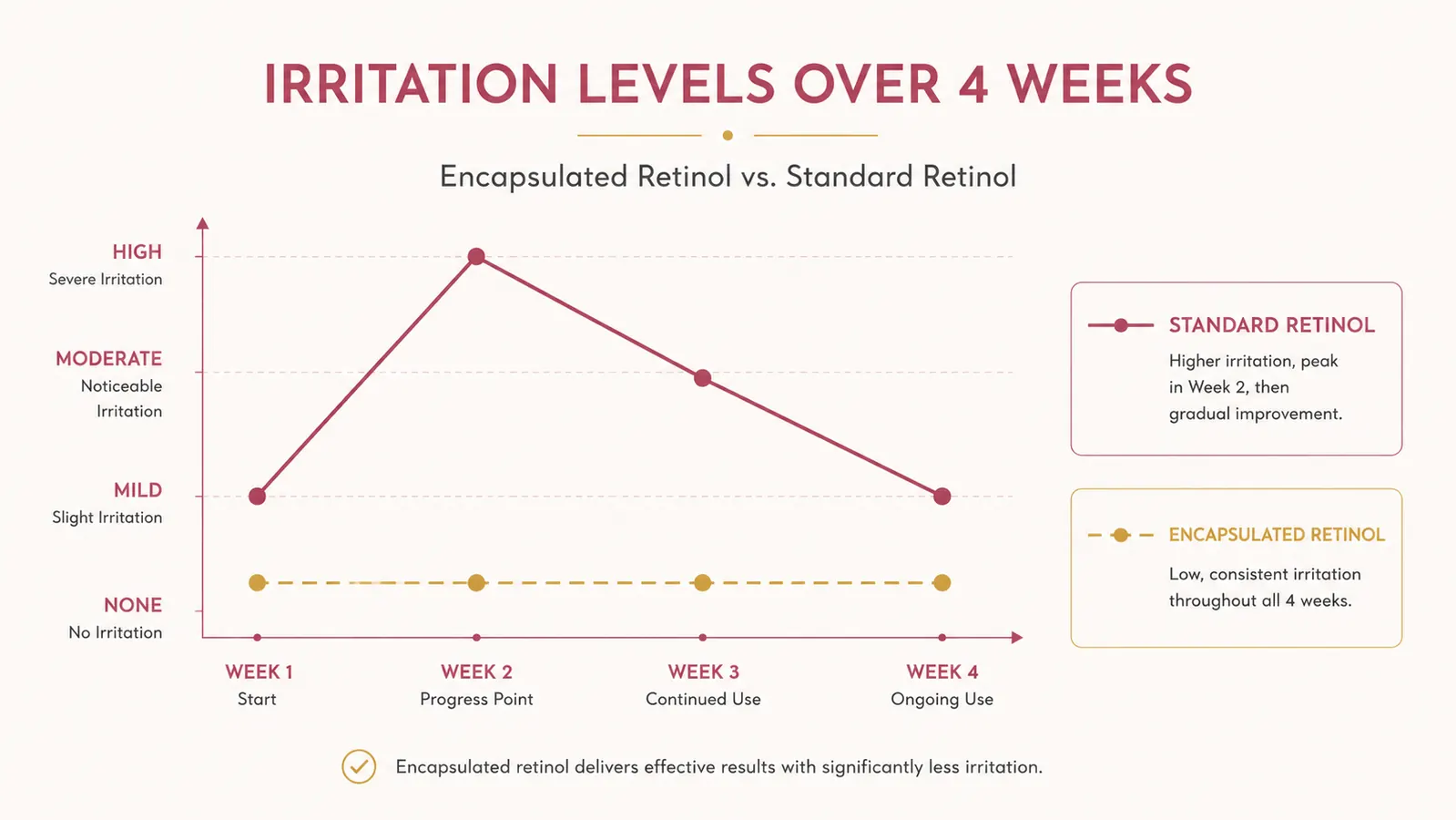
Most people do not quit retinol because it does not work. They quit because the early irritation convinces them something is wrong. CeraVe's encapsulation removes the biggest reason people walk away.
The Formulation Philosophy Difference
Here is what I think is underappreciated in most CeraVe vs. The Ordinary comparisons: these two products represent completely different philosophies about how skincare should be made. The Ordinary is built on the idea that you, the consumer, are the formulator. You buy single-ingredient or minimal-ingredient products and layer them yourself, customizing your routine based on your own research. That is genuinely empowering for people who know what they are doing.
CeraVe takes the opposite position. The brand (developed with dermatologists) does the layering for you. The retinol serum is not just retinol. It is retinol plus the barrier-supporting ingredients that mitigate retinol's known downsides, combined in ratios that work together. You are buying a complete solution, not a building block. For most people who just want their skin to look better without spending hours researching ingredient interactions, that is the better product design.
I lean toward CeraVe for that reason. Not because The Ordinary is bad. It is not. But the CeraVe formula is harder to mess up, works well in a simple routine, and the encapsulation technology genuinely reduces the friction that kills most people's retinol attempts.
Real-World Results: Six Weeks of Alternating Both
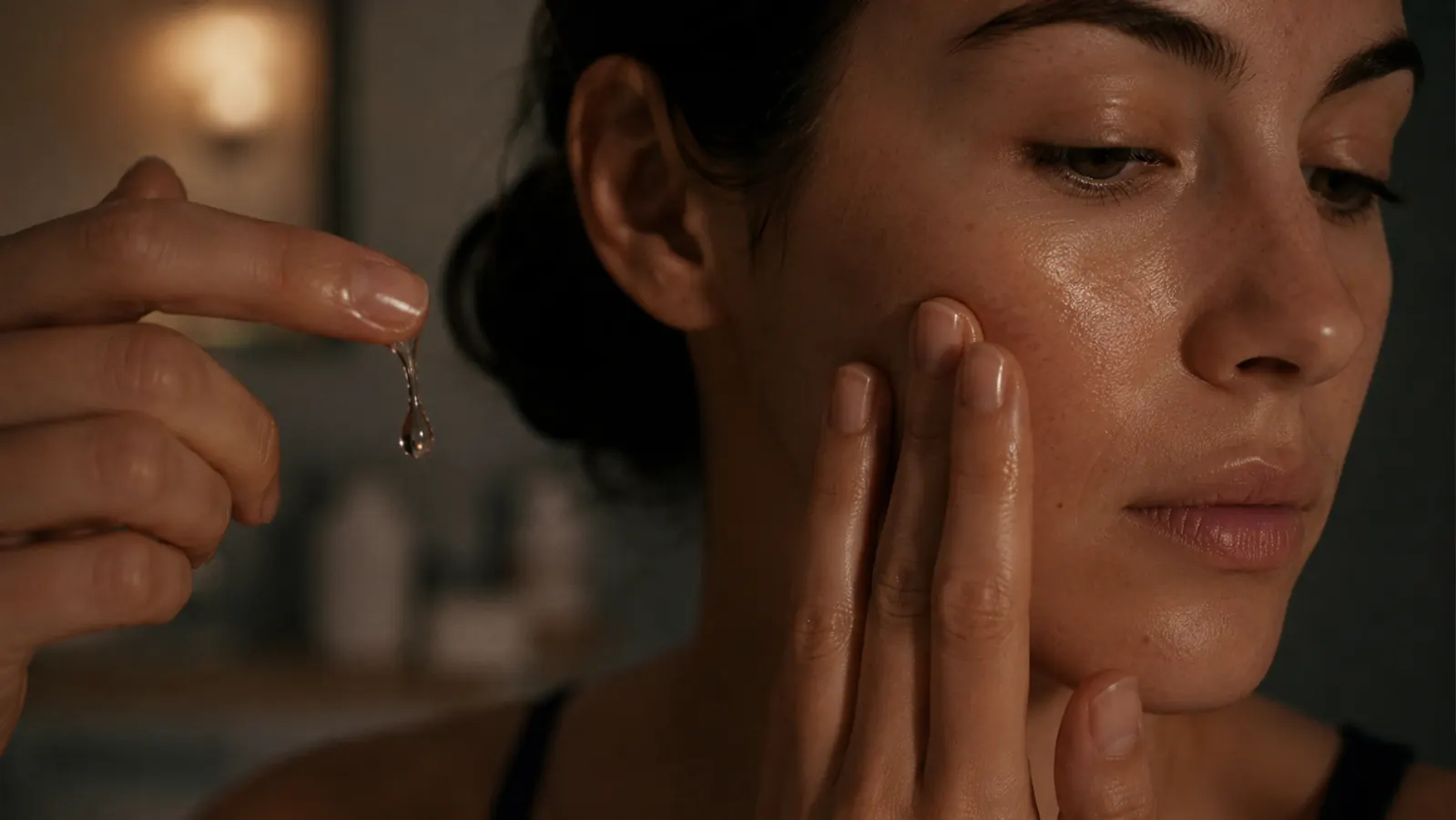
By week two, the CeraVe side of my face showed noticeably less redness and no visible flaking. The Ordinary side had some light peeling near my jawline, which is fairly normal for a retinol adjustment period, but it was uncomfortable enough that I would have quit if both cheeks looked like that. By week four, both sides were starting to look smoother in texture, but the CeraVe side got there with less drama. Fine lines around my eye corners looked slightly softened on both sides by week six. The difference was modest either way, which is honest: six weeks is too short for dramatic retinol results. You need twelve to twenty weeks before you see the real anti-aging payoff.
What I noticed most was how much easier it was to stay consistent with CeraVe. On the nights when my skin felt dry or slightly reactive, I did not hesitate to apply the CeraVe serum because it never made things worse. Some nights I skipped The Ordinary side because I was not sure if my skin was ready. Consistency is everything with retinol, and anything that makes you more likely to skip a night is a real cost.
Who Should Buy Which
Buy CeraVe Retinol Serum if you are new to retinol, if you have sensitive or dry skin, if you have tried retinol before and quit because it was too irritating, or if you want one product that handles both the retinol delivery and the barrier support without having to build a multi-step routine around it. It is the smarter default for the majority of people reading this. The 4.6-star rating across 28,000 Amazon reviews is not a coincidence. People who bought it are actually sticking with it, which is the real metric that matters for retinol.
Buy The Ordinary Retinol 0.2% in Squalane if you are an experienced retinol user who is comfortable managing the adjustment period yourself, if budget is a genuine constraint, or if you prefer building your own layered routine with individual actives. It is also a reasonable choice if you have oilier skin that tolerates direct actives well and wants the lighter-feeling squalane base. Just know that you will need to be intentional about adding barrier-supporting ingredients to your routine from other products, because The Ordinary's formula does not do that for you. For a closer look at how to build a retinol routine that minimizes irritation from the start, check out the guide on how to start retinol without irritation.
If you are not sure which camp you fall into, default to CeraVe. The cost difference is small, the barrier to sticking with it is much lower, and the formula is genuinely well-designed for the use case most people actually have. You can also read the full long-term breakdown in the CeraVe Retinol Serum 3-month review if you want more detail on what to expect week by week.
If you have abandoned retinol before because the irritation was not worth it, CeraVe's encapsulated formula is worth a serious second look.
CeraVe Retinol Serum pairs encapsulated retinol with three ceramides and niacinamide so your skin barrier stays intact while the retinol does its job. It is one of the most beginner-friendly retinol formulas available at a drugstore price, with a 4.6-star rating across more than 28,000 verified Amazon reviews.
Amazon Check Today's Price on Amazon →