
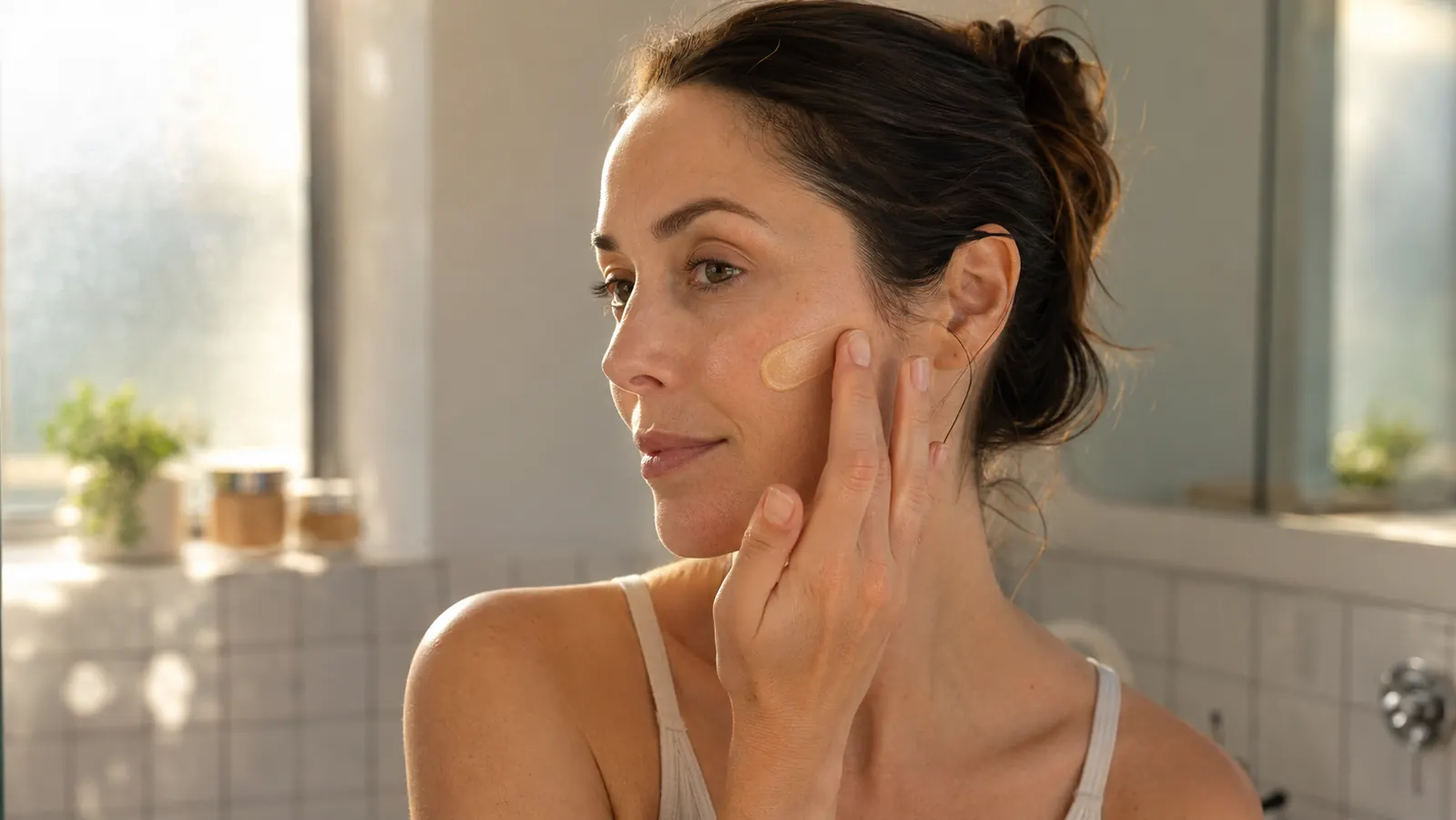
I have tried a lot of sunscreens. I mean a lot. For most of my twenties I bounced between chemical SPF formulas that left me with a burning sensation around my eyes, small clusters of clogged pores along my jaw, and a shiny film that made me look sweaty by 9 a.m. I assumed that was just the price of wearing sunscreen. It is not. When I finally switched to a mineral formula, three of those problems vanished within two weeks.
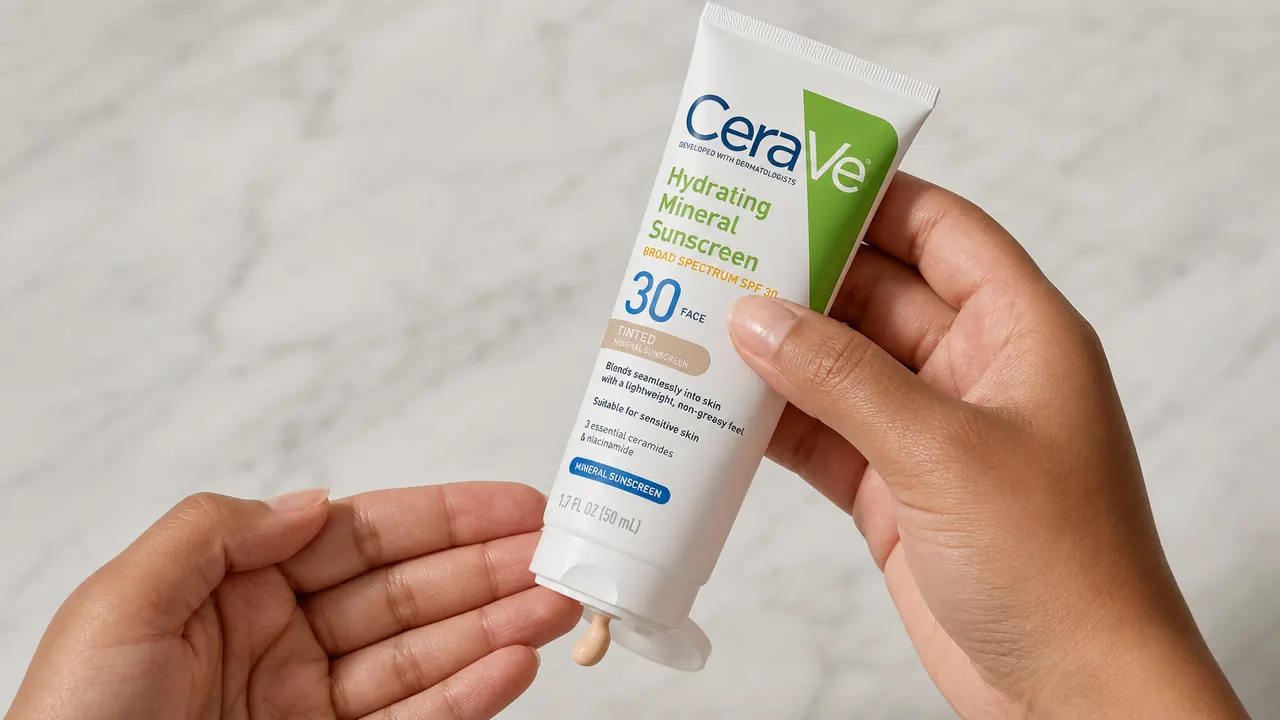
Mineral sunscreen sits on top of the skin rather than absorbing into it, and that single difference explains a lot of what follows below. My current daily driver is the CeraVe Hydrating Mineral Sunscreen SPF 30 with Sheer Tint. It has over 72,000 reviews on Amazon, costs less than most premium moisturizers, and it replaced two products in my routine. I am going to walk through every reason I now recommend mineral SPF first, especially if your skin is sensitive, reactive, or prone to congestion.
Reactive skin tired of the sting? This tinted mineral SPF is worth checking out.
CeraVe Tinted Mineral Sunscreen SPF 30 uses zinc oxide as its active, pairs it with ceramides and hyaluronic acid, and adds a sheer tint that evens out skin tone without feeling like makeup. Over 72,000 Amazon reviewers have made it a staple.
Amazon Check Today's Price on Amazon →It Works the Moment You Put It On
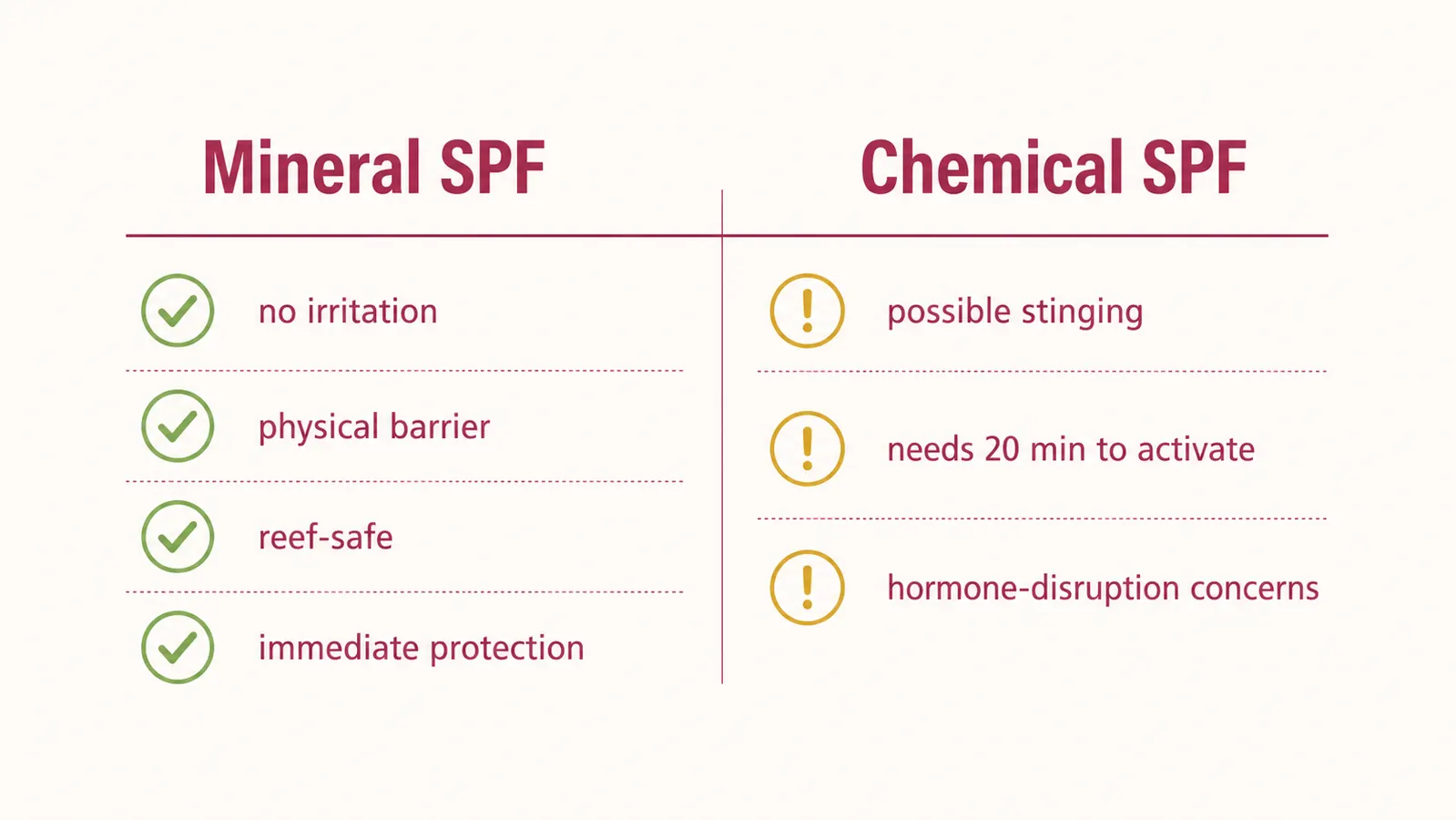
Chemical sunscreens like avobenzone and oxybenzone need roughly 15 to 20 minutes after application before they are actually absorbing UV rays. Zinc oxide, the active in CeraVe Tinted Mineral Sunscreen, physically deflects UV light from the first second it is on your skin. If you are the kind of person who applies SPF and immediately walks out the door, mineral is the formula that actually has your back.
It Does Not Sting Around the Eyes
If you have ever blinked five minutes after applying a chemical SPF and immediately felt that sharp, watery burn, you know what I am talking about. It is miserable and it is one of the main reasons people skip reapplying. Because zinc oxide sits on top of the skin rather than soaking in, it does not migrate into the eye area the same way. The CeraVe tinted formula has been daily use around my eye contour for months without a single sting incident.
It Is Less Likely to Clog Pores
Many chemical sunscreens use occlusive film-forming agents that trap sebum and dead skin cells, which shows up as those small, persistent bumps along the jawline and forehead. Zinc oxide is non-comedogenic by nature, and CeraVe specifically formulates this tinted version to be non-comedogenic tested. It is not a miracle for every acne-prone skin type, but switching to this formula cleared my texture bumps significantly faster than I expected.
It Covers Both UVA and UVB Without a Second Filter
True broad-spectrum protection from a single active ingredient is one of zinc oxide's main selling points. Some chemical formulas need two or three actives layered together to cover the full UV spectrum. Zinc oxide does it alone. The CeraVe tinted formula is rated SPF 30, which blocks about 97 percent of UVB rays, and its zinc oxide concentration addresses the UVA damage that contributes to premature aging and hyperpigmentation.
It Adds a Sheer Tint That Replaces Foundation
This is the reason I originally bought the CeraVe tinted version specifically. The sheer tint evens out redness, neutralizes any slight white cast from the zinc, and gives a natural finish that looks like your skin but better. I stopped wearing tinted moisturizer in the morning entirely. For lighter to medium skin tones it blends in well. Deeper skin tones may want to blend it more deliberately or add a bronzer on top, but the coverage is legitimately useful rather than cosmetic gimmick.
It Skips the Hormone-Disruption Concern Entirely
Oxybenzone, one of the most common chemical UV filters in the U.S., has been flagged in multiple studies for potential hormone-disrupting activity and has been found in detectable concentrations in blood after a single day of application. The FDA has not banned it, but the evidence is enough that I personally stopped using it. Zinc oxide has a decades-long safety record, does not absorb through the skin at meaningful levels, and is listed as safe and effective without qualification by the FDA.
It Hydrates at the Same Time
Most pure zinc oxide mineral sunscreens have a dry, powdery feel that needs a moisturizer underneath or on top. CeraVe built three essential ceramides and hyaluronic acid directly into the formula, so the product hydrates your barrier at the same time it protects it. For my skin, which runs combination-to-dry in winter, this made the routine meaningfully simpler without sacrificing moisture.

It Is Gentler on Rosacea and Eczema-Prone Skin
Dermatologists consistently recommend physical filters for patients with rosacea, eczema, and perioral dermatitis because the chemical actives in standard SPF can trigger flushing, stinging, and flares. Zinc oxide has natural anti-inflammatory properties, which is why it has been used in calamine lotion and diaper cream for generations. The CeraVe tinted version is fragrance-free, paraben-free, and allergy-tested, which removes a lot of the usual irritant suspects from the equation.
It Layers Under Makeup Without Pilling
Pilling, where your sunscreen and moisturizer ball up into tiny flecks when you press foundation on top, is one of the most frustrating SPF problems. It usually happens when silicone-heavy chemical SPFs clash with water-based foundations. The CeraVe tinted formula has a texture that plays well with most makeup on top. I have layered powder and a concealer over it without any pilling for months of daily use. The sheer tint also means I need less makeup to begin with.
It Is Reef-Safe and Chlorine-Resistant
Hawaii and several other states have banned oxybenzone and octinoxate in sunscreens sold locally because of documented damage to coral reefs. If you travel to reef destinations or swim regularly, using a zinc oxide formula is both an environmental and a practical choice. Zinc oxide also holds up reasonably well in pool water, though no sunscreen is truly waterproof and reapplication after swimming still matters. The CeraVe formula is not specifically marketed as water-resistant, so I keep it as my land-only daily SPF and grab a sport mineral option for beach days.
What I'd Skip
The tint is a single universal shade, which means it works beautifully for light to medium skin tones but will look ashy on deeper complexions. If your skin is on the deeper side, I would still look at mineral SPF as a category, but I would try EltaMD UV Clear Tinted (a narrower sheer tint that blends more broadly) or skip the tinted version of the CeraVe entirely and use the untinted CeraVe Hydrating Mineral Sunscreen instead. The untinted formula has the same zinc oxide base and the same ceramide and hyaluronic acid blend, just without the shade. I would also skip this formula if you need a water-resistant SPF for outdoor sports. The label does not carry a water-resistance rating, so for beach or workout use you will want something specifically tested for that.
Switching from chemical to mineral SPF was the single biggest skin-calming change I made in two years of testing. The sting stopped, the jaw congestion cleared, and I stopped skipping sunscreen on days I was running late.
Ready to ditch the sting for good? Here is the tinted mineral SPF I use every day.
CeraVe Tinted Mineral Sunscreen SPF 30 covers both UVA and UVB with zinc oxide, adds ceramides and hyaluronic acid, and gives you a sheer tint that evens out skin in one step. More than 72,000 Amazon reviewers rely on it as their daily SPF. Check current availability and today's price before it sells out.
Amazon Check Today's Price on Amazon →