
For about two years, I woke up every morning looking like I'd gone a few rounds with my pillow. Puffy bags under both eyes, the left one always worse than the right. I tried the obvious stuff: cold spoons from the freezer, cucumber slices, drinking a glass of water before bed. None of it moved the needle more than 20 minutes. The puffiness was back before I finished my coffee. I'm Tim, and I test skincare on myself before I write a word about it -- and honestly, under-eye puffiness was the problem that took me the longest to crack.
What I eventually figured out is that puffiness has multiple causes operating at the same time -- fluid retention from salt, blood pooling from thin skin, and a complete lack of the right ingredients to support that delicate area overnight. Fixing it required addressing all three, in the right order, every morning. Once I built that into a consistent five-step routine and added CeraVe Eye Repair Cream as the foundation, my under-eye area changed measurably within about three weeks. This guide is that routine, explained step by step, with the honest context behind why each step matters.
If your under-eyes look puffy every morning, this is the eye cream that actually helps -- for a low price.
CeraVe Eye Repair Cream uses hyaluronic acid and niacinamide to hydrate the thin skin under your eyes and reduce the look of puffiness and dark circles. It's the product I use at Step 3 of this routine every single morning. Over 73,000 Amazon reviews, and it's derm-developed. Check the current price before you read further -- it's one of the better value buys in the eye care category.
Amazon Check Today's Price on Amazon -> →Step 1: Cold Compress First, Before Anything Else
The very first thing you do after you wake up should involve cold -- before you touch your face, before you apply anything. Cold constricts blood vessels and helps the fluid that pooled under your eyes overnight drain back into circulation. This is the one part of the old advice (cold spoons, cold teabags) that actually works. The problem is people do it for 30 seconds and call it done.
What actually works is sustained cold contact for at least two full minutes. I use a chilled gel eye mask that I keep in the back of my fridge -- not the freezer. Freezer-cold can break small capillaries in skin that thin. Refrigerator-cold (around 40 degrees Fahrenheit) is the right temperature. I put it on, lie back, and give it a full two minutes. If you don't have a gel mask, two spoons left in the fridge overnight work fine. The contact time is what matters, not the tool.
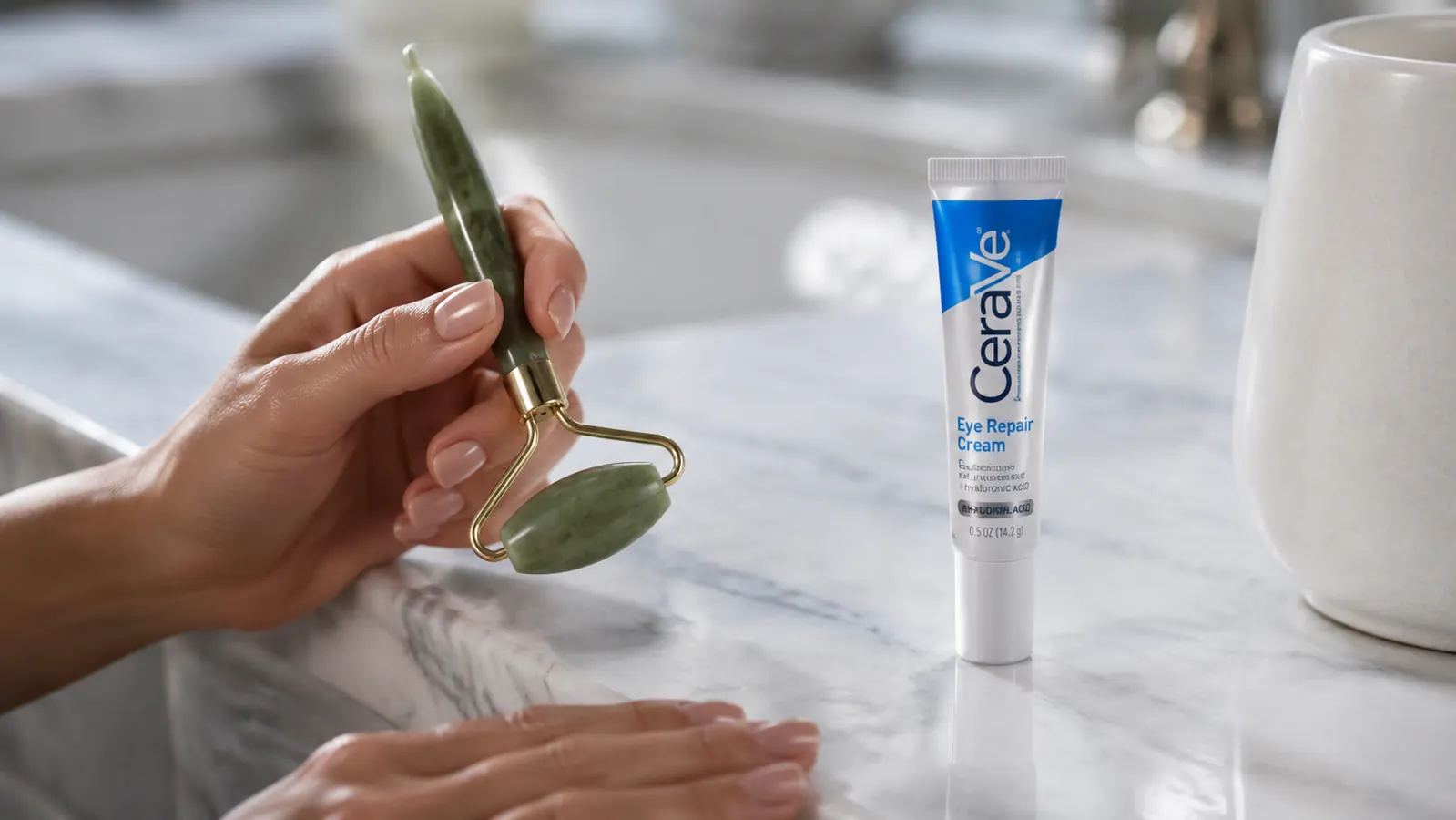
After the cold compress, I do one gentle pass with a chilled jade roller or gua sha stone -- also kept in the fridge -- starting from the inner corner of the eye and rolling outward toward my temples. This encourages lymphatic drainage, which is a fancy way of saying it helps the fluid that built up overnight move toward your lymph nodes where your body can process it. Light pressure only -- no pressing into the eye socket. Three or four slow passes per side, outward only.
Step 2: Wash Your Face With Cool or Lukewarm Water, Never Hot
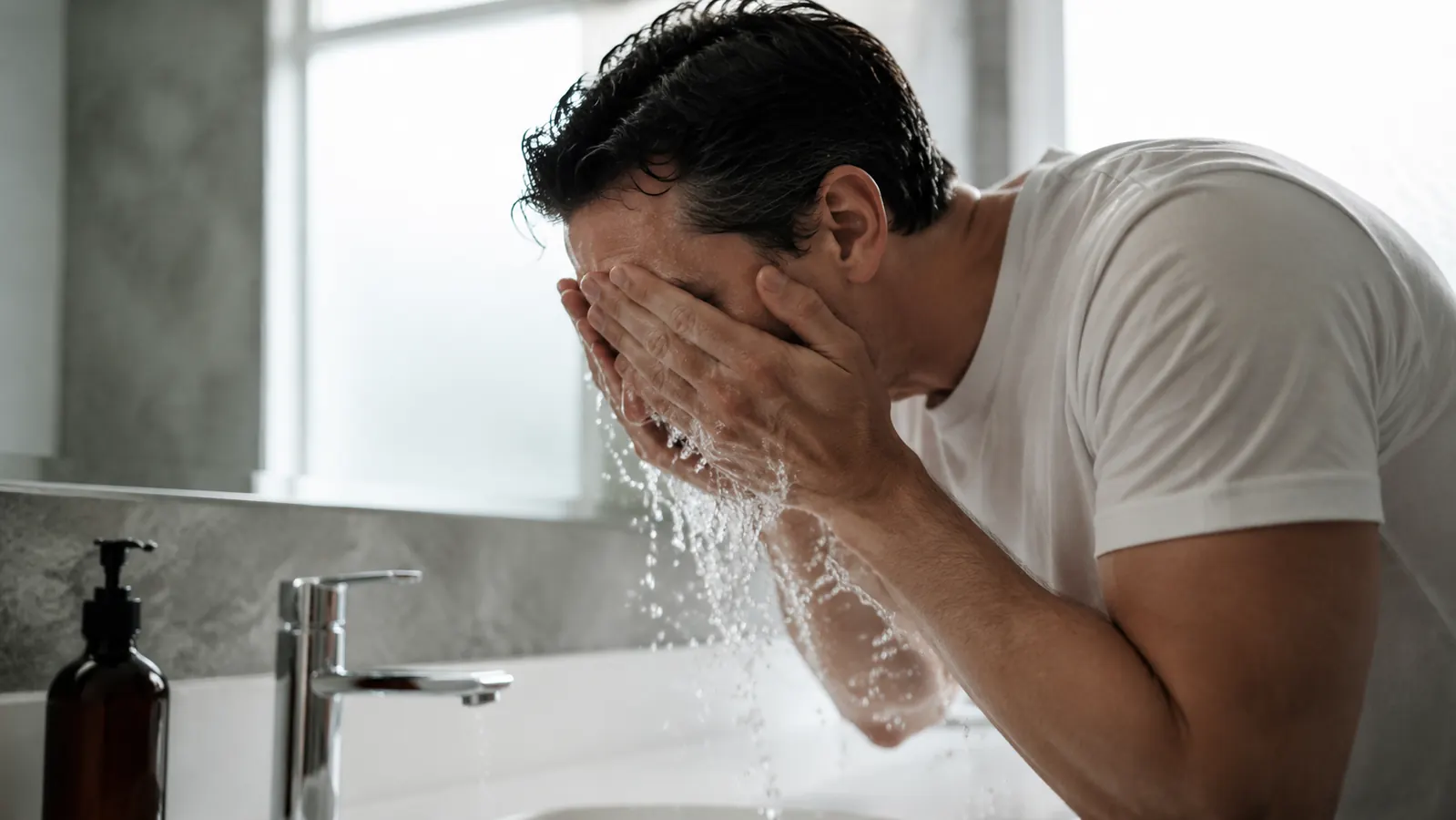
Most guys I know wash their face with the hottest water they can stand. I used to do the same. Hot water feels like it's cleaning better, but it dilates blood vessels -- which is the last thing you want when you're trying to reduce swelling under your eyes. For every degree of heat you add, you undo a bit of what the cold compress just accomplished.
Switch to cool or lukewarm water for your morning cleanse. You don't need to make it uncomfortable -- just dial it back from hot to warm. If you use a facial cleanser, a gentle, non-stripping formula is best for the eye area since the skin there is 40 percent thinner than the rest of your face. After rinsing, pat (never rub) the under-eye area dry with a clean towel. Rubbing pulls and stretches that thin skin, and over time it contributes to the problem you're trying to fix.
While your skin is still slightly damp -- not soaking wet, just damp -- you're ready to apply your eye cream. That slight moisture helps actives absorb more efficiently, which matters for the next step.
Step 3: Apply CeraVe Eye Repair Cream With the Right Technique
This is the step most people skip entirely or rush through. Eye cream applied carelessly doesn't do much. Applied correctly with the right formula, it makes a real visible difference over two to four weeks. I landed on CeraVe Eye Repair Cream after testing four other options over about six months. The formula has hyaluronic acid to hold moisture in that thin under-eye skin, niacinamide to reduce redness and improve the appearance of dark circles, and ceramides to support the skin barrier. It's fragrance-free and ophthalmologist-tested, which matters because cheaper creams that contain fragrance can cause low-grade irritation that actually worsens puffiness.
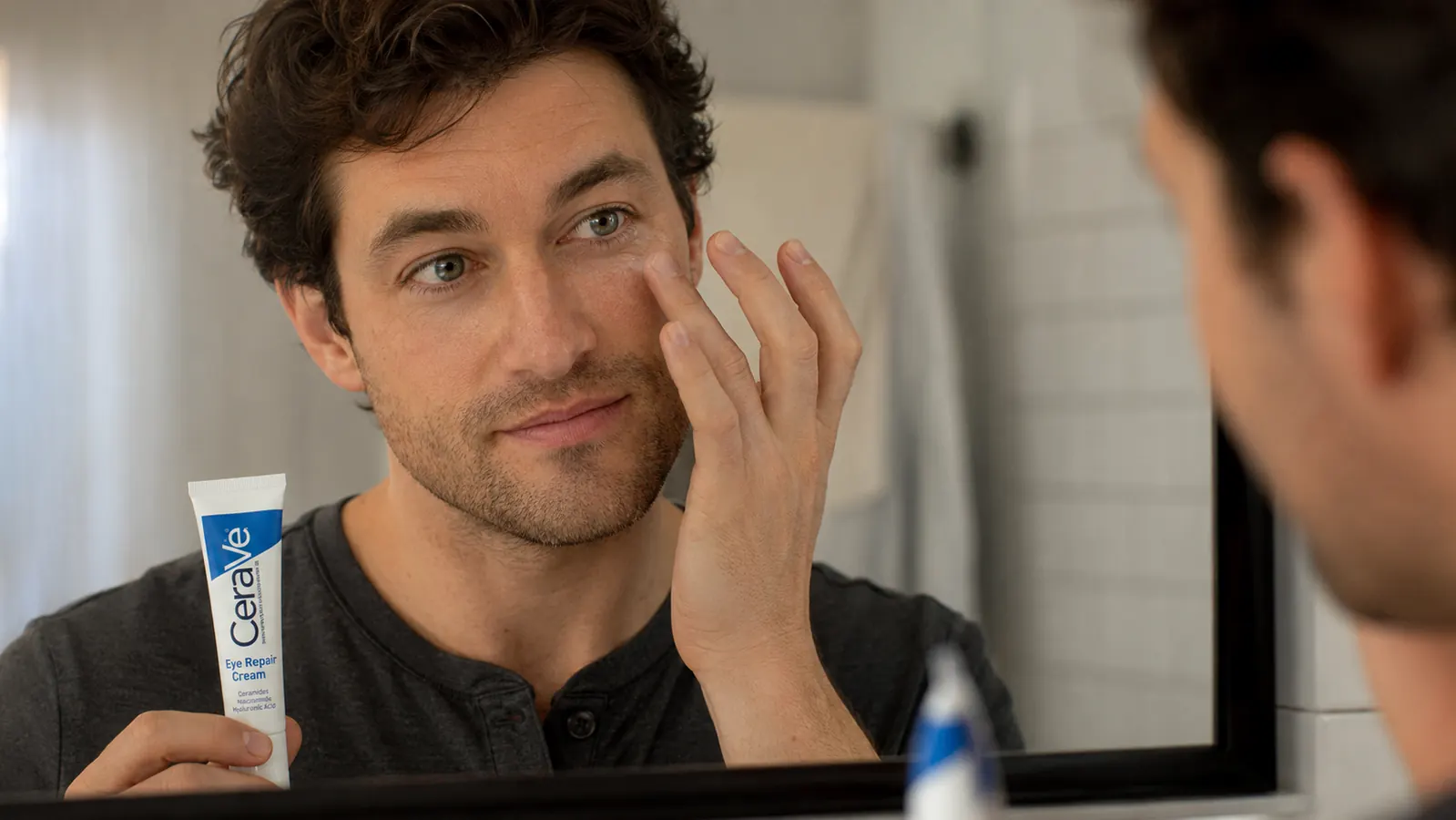
The technique: use your ring finger, always. It's naturally the weakest finger, which means you're less likely to press too hard. Take a rice-grain amount of cream on your fingertip. Dot it in four spots below your eye -- one near the inner corner, two in the middle, one near the outer corner. Then using very light tapping motions (not rubbing, not dragging), work from the outer corner inward and then from the inner corner outward. You're helping the product absorb without creating any outward pulling motion on the skin. Give it 60 to 90 seconds to settle before moving to the next step.
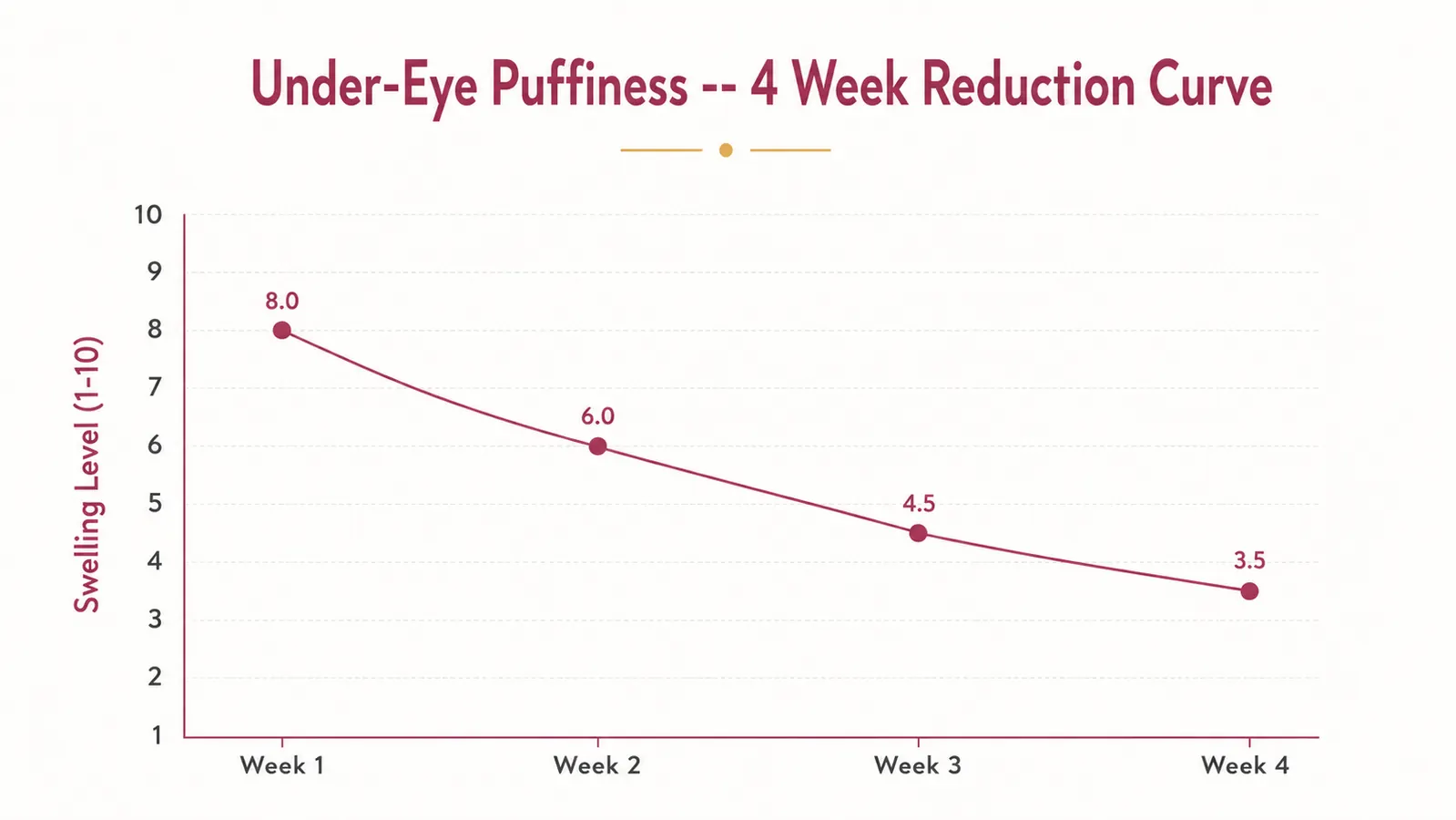
I apply it morning and night. In the morning, it primes the area before any SPF or moisturizer goes on. At night, it has six to eight hours to work while I sleep and while the skin is in repair mode. If you read my full CeraVe Eye Repair Cream review, you'll see the before-and-after progression I tracked over eight weeks -- puffiness was measurably reduced by week three and continued improving. The 4.3-star average across nearly 74,000 Amazon reviews tracks with my experience.
Step 4: Address Salt and Sleep -- The Two Biggest Overnight Triggers
The morning routine matters, but the 8 hours before it matter just as much. Under-eye puffiness is largely a fluid retention problem, and sodium is the primary driver of fluid retention in most people. I tracked my sodium intake for three weeks while testing this routine, and the correlation was undeniable: nights when I had takeout, restaurant food, or processed snacks, I woke up significantly puffier the next morning. Nights when I kept sodium under 2,000 milligrams, the morning puffiness was dramatically less, and the routine resolved it faster.
Sleep position also plays a role most people overlook. Sleeping flat on your back lets fluid pool under your eyes overnight. Sleeping with your head slightly elevated -- even just one extra pillow -- lets gravity help drain that fluid toward your lymphatic system instead of letting it settle under your eyes. I added a second pillow about six weeks into testing this routine and noticed a consistent difference in how much puffiness I was starting with by morning. Less starting-point puffiness means the rest of the routine has less to correct.
Alcohol is worth mentioning too. It's a diuretic that paradoxically causes water retention in the skin, and it depletes collagen. I cut my alcohol intake from four or five drinks a week to one or two and saw a noticeable improvement in under-eye puffiness within ten days -- faster than any product change I made. This isn't a lecture, just an honest data point from someone who tracked it.

Step 5: Hydrate Properly and Protect the Area From UV Damage
Under-eye puffiness and dehydration are linked in a way most people don't expect: when your body is mildly dehydrated, it actually retains water more aggressively, including in the thin skin under your eyes. Drinking enough water helps your body release stored fluid instead of hoarding it. I aim for around 80 ounces of water throughout the day. The key word is 'throughout' -- drinking a full glass of water right before bed can add to overnight puffiness if your kidneys don't have time to process it. Front-load your hydration earlier in the day.
After your eye cream absorbs in the morning, finish the routine by applying an SPF-containing moisturizer or sunscreen from cheekbone to brow, taking care to avoid the immediate eye area where product can migrate into the eye and cause irritation. The skin around your eyes is some of the first skin on your face to show UV damage, and photo-damage makes the area look puffier and more discolored over time. Protecting it now slows that progression significantly.
Sunglasses with UV400 protection are also worth thinking about beyond just style. Squinting in bright light engages the orbicularis oculi muscle repeatedly throughout the day, which can worsen the look of under-eye bags over time. Good sunglasses reduce that mechanical stress on the skin. It's the kind of low-effort daily habit that compounds over months.
What Else Helps
Caffeine is one of the most studied topical ingredients for under-eye puffiness, and a handful of eye creams lean heavily on it. Caffeine constricts blood vessels and can temporarily reduce the look of bags and dark circles within 15 to 30 minutes of application. The effect is real but temporary -- it's more of a situational fix for an important meeting than a long-term solution. I keep a caffeine-based eye serum in my kit for days I need faster visible results, but I rely on CeraVe Eye Repair Cream as my daily driver because the ceramide and niacinamide formula supports the skin long-term, not just for the next two hours.
Green tea bags are the one home remedy that has real science behind it. Green tea contains EGCG and tannins that reduce inflammation and mildly constrict blood vessels. Brew two bags, let them cool completely in the fridge (this combines the thermal benefit with the ingredient benefit), then apply them to closed eyes for three to five minutes. It's not as consistent as a dedicated gel mask, but it works and costs nothing extra if you already drink green tea. I use this as a weekend add-on when I have more time in the morning.
If you want to understand how to get the most out of your eye cream specifically -- not just puffiness but dark circles and fine lines too -- check out my article on 10 reasons eye cream reduces dark circles. It goes deeper into the ingredient science and helps you set realistic expectations for what different formulas can and cannot do.
The cold compress addresses the fluid. The eye cream addresses the skin. The lifestyle changes address the cause. Skip any one of the three, and the other two do maybe 40 percent of what they could.
Consistency is honestly the hardest part. The morning routine I've described takes about eight to ten minutes total when you include the cold compress time. Most people are unwilling to commit that time every morning, which is why they stay stuck on cold spoons and teabags that do almost nothing. The people who see real, lasting improvement in under-eye puffiness are the ones who treat it like a system rather than a one-off fix. Two weeks in, it becomes automatic.
One thing worth saying plainly: if your under-eye puffiness is severe, constant, and doesn't respond to any of this after six weeks of consistent effort, get it checked out. Persistent puffiness can be a sign of allergies, thyroid issues, or kidney function problems. I'm a skincare tester, not a doctor, and products cannot fix a systemic health issue. Most people's puffiness is lifestyle-driven and responds well to what I've described. But if yours doesn't, that's worth a conversation with your physician rather than just adding another product.
Start with the eye cream -- it's the one piece of this routine you can't improvise.
CeraVe Eye Repair Cream is the foundation of Step 3 and the nightly recovery step that does the heaviest lifting. Hyaluronic acid, niacinamide, ceramides, fragrance-free, ophthalmologist-tested, and consistently rated 4.3 stars across almost 74,000 reviews. It's the product I'd recommend to anyone starting this routine from scratch. Check the current price on Amazon -- it's usually budget-friendly.
Amazon Check Today's Price on Amazon -> →