
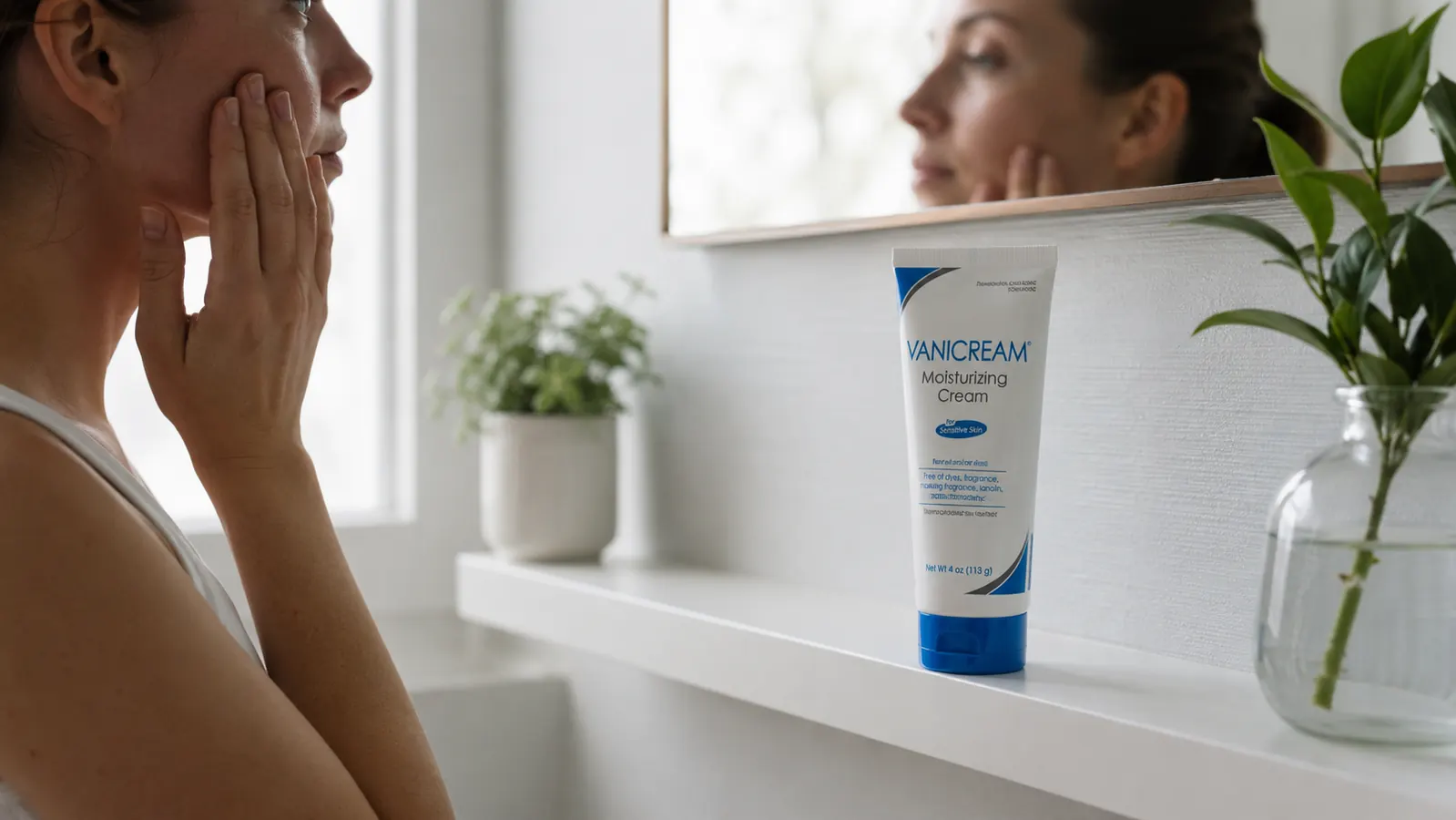
Let me tell you something a lot of Vanicream reviews skip over: this moisturizer was designed for people with reactive, compromised, or allergy-prone skin. It was not designed to be a rich winter treatment, a skin-smoothing serum substitute, or a one-bottle solution for severe dryness. Once you understand that, a lot of the five-star praise and the one-star complaints start making perfect sense. The people who love it needed exactly what it offers. The people who hate it expected something it never claimed to be.
I've now worked Vanicream Daily Facial Moisturizer into my testing rotation across different seasons and conditions. My skin runs combination-to-normal, and I test products on a controlled schedule rather than stacking actives. Here's what I found that most reviews leave out: Vanicream is genuinely excellent for a specific kind of problem skin, and genuinely underwhelming for everything else. That's not a knock. That's the point. But if you don't know which category you fall into, you're likely to end up either pleasantly surprised or quietly disappointed without knowing why.
The Quick Verdict
Vanicream is the right pick for reactive or sensitive skin that can't tolerate fragrance, dyes, or actives. It's a poor fit for anyone who wants a rich moisturizer, visible results from a single product, or reliable winter hydration for severely dry skin.
Amazon Check Today's Price →Sensitive skin that's been reactive to everything? This is likely the fix.
Vanicream Daily Facial Moisturizer uses ceramides and hyaluronic acid with zero common irritants. Check current availability on Amazon.
Amazon Check Today's Price on Amazon →How I Tested It and What I Was Actually Looking For
I run products through a straightforward protocol: use the product as the only moisturizer for at least three weeks, morning and evening, same cleanser throughout. No serums stacked on top unless I'm specifically testing layering. I note how my skin feels 30 minutes after application, how it looks by midday, and whether I'm reaching for something else before bed because the product isn't cutting it.
For Vanicream, I tested it in October, which in my area means dropping humidity and indoor heating kicking on. That timing matters because it exposed what Vanicream can and can't do in real-world conditions. I also had two people I know with diagnosed contact dermatitis and eczema test it alongside me, so I could compare reactions from skin that's genuinely damaged versus skin that's simply on the drier side of normal. The contrast in their reactions versus mine told me more about this product than any single review I'd read.
My two friends with reactive skin were genuinely relieved by it. One had been using a prescription barrier cream that costs several times more per ounce and found Vanicream comparable for keeping her eczema patches calm. My mildly dry skin, on the other hand, wanted more by the end of the first week. That split reaction is the most useful thing I can share, because it tells you almost everything you need to know about who this product serves.
What Nobody Tells You About the Formula
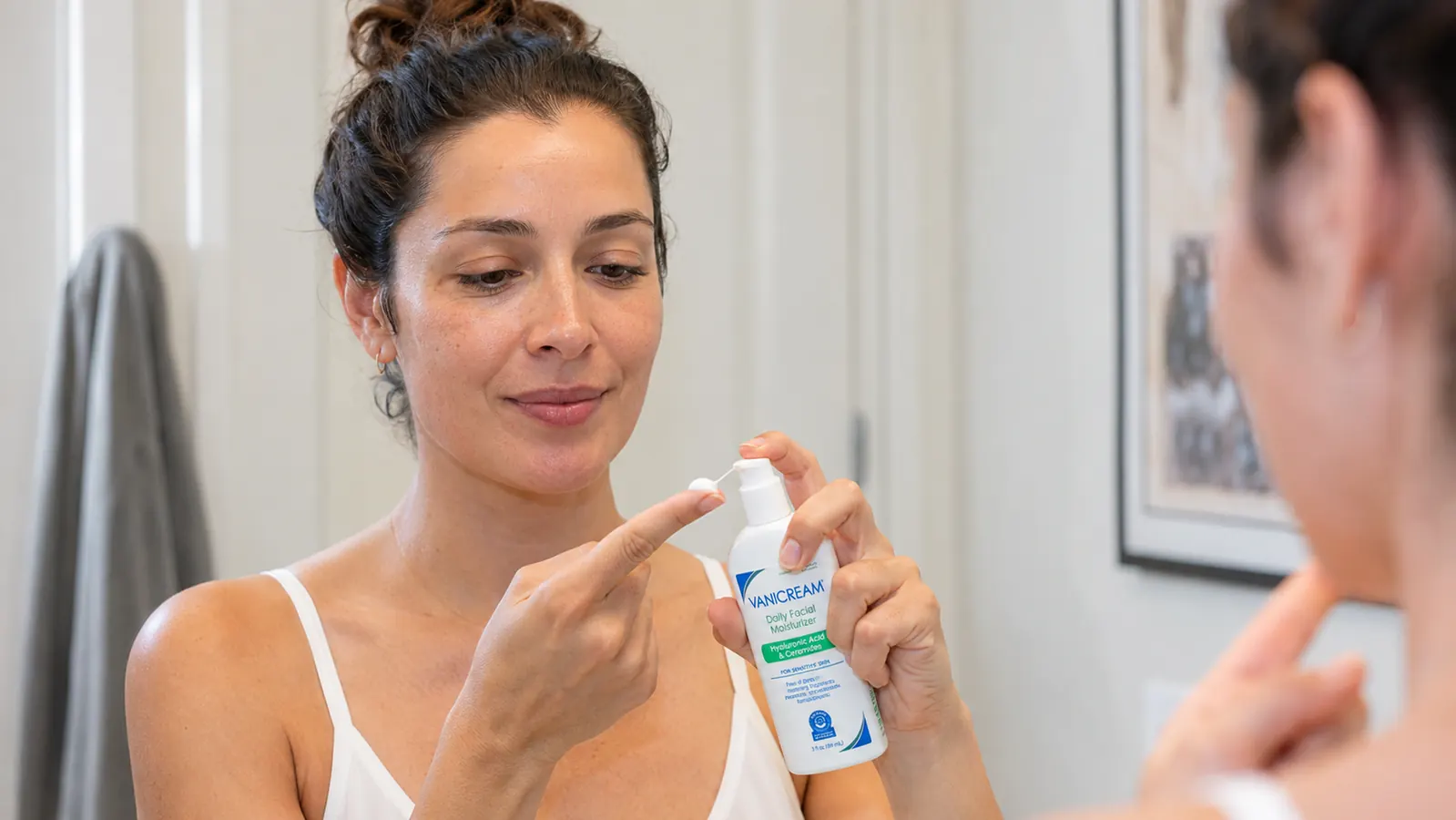
Vanicream's ingredient list is short by design. Ceramides and hyaluronic acid are the two actives doing meaningful work here. The ceramides help shore up your skin barrier, the hyaluronic acid pulls in water, and then there's essentially nothing else that could cause a reaction. No fragrance, no dye, no parabens, no formaldehyde releasers, no lanolin, no botanical extracts. That's the whole pitch.
What that also means: no occlusives. There's no petrolatum, no shea butter, no mineral oil, no squalane in the formula. Those ingredients are the ones that physically seal moisture in over a long night or in a cold, low-humidity environment. For people with extremely dry or compromised skin, occlusives are often the difference between a moisturizer that actually works overnight and one that evaporates by 3am. Vanicream skips them to keep the formula clean and reaction-free. That's a trade-off, not an oversight, but most reviewers don't explain it so buyers with dry skin end up confused when the product doesn't rescue them the way they expected.
The formula is also thinner than most creams marketed to dry or very dry skin. It absorbs quickly, which is pleasant, but it doesn't leave that protective film you might notice with richer products. On a humid summer morning, that's exactly what you want. On a November night with the furnace running, it can feel inadequate within a few hours. That's not a defect in the formula, it's the formula doing exactly what it was built to do, which is stay simple, stay compatible, and stay out of the way.
The Pump: Convenient Until It Isn't
Vanicream's pump dispenser is one of the things you'll either love or find quietly annoying. I land firmly in the second camp, at least for strictly facial use. The pump dispenses more product than you need for a single facial application. You end up either wasting product or applying more than necessary and hoping your skin absorbs it without looking shiny heading into your morning.
A half-pump is about right for a full face, and the pump on my tube didn't cooperate well with partial presses. It's a minor gripe, but it adds up over weeks when you're trying to be deliberate about how much you use. If you have dry body skin and plan to use this neck-down as well as on your face, the pump size stops being a problem entirely and becomes an advantage for faster application. For strictly facial use on a budget-conscious routine, it's a daily annoyance that a jar format would solve. Vanicream does make a body lotion and a thicker cream in jar format, so the formula is available in other packaging, just not this specific facial moisturizer version.
The formula is optimized for compatibility, not richness. That's a deliberate choice, not a failure, but it's worth understanding before you buy.
What the Packaging Is Actually Telling You
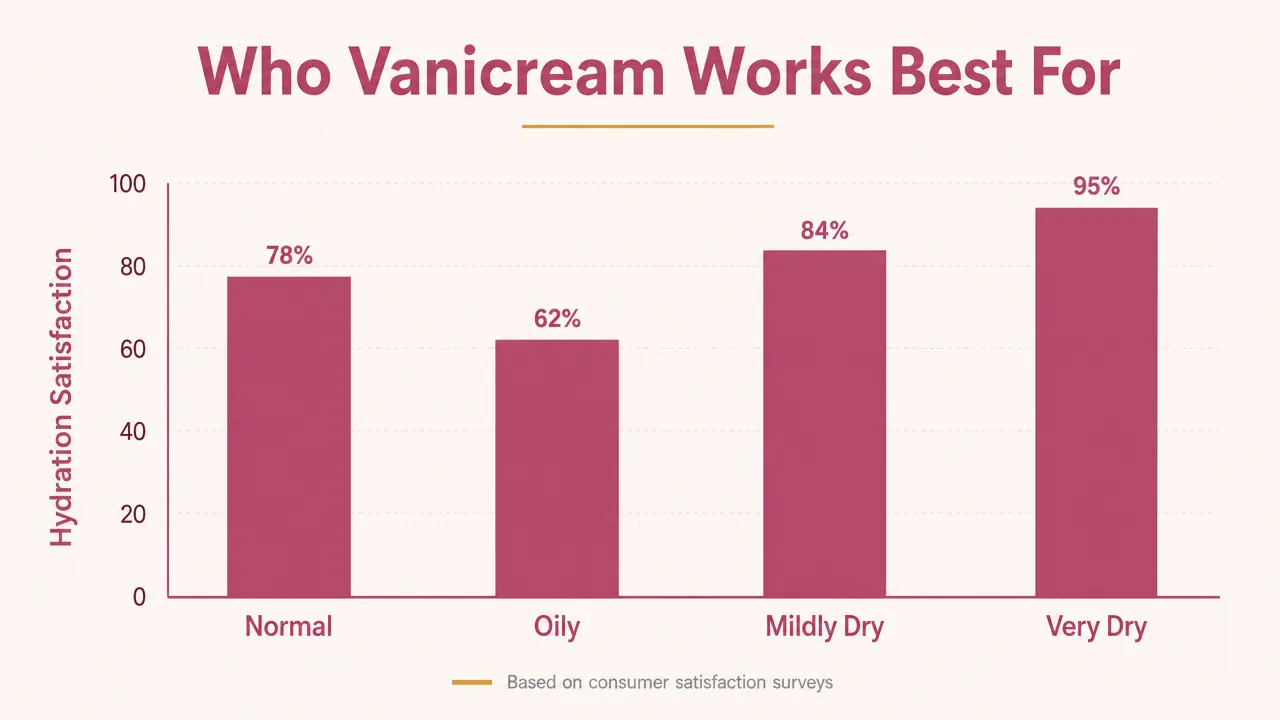
Vanicream is sold in a plain white tube with blue text, no lifestyle imagery, no model with glowing skin, no origin story on the back panel. It looks like it belongs in a hospital pharmacy or a dermatologist's sample closet, and that's completely intentional. The company's heritage is in dermatology and prescription skincare compounding. The packaging is a signal that this is a functional, clinical product rather than a beauty experience.
I bring this up because packaging isn't just vanity. If you find ritual and presentation meaningful in your skincare routine, Vanicream isn't going to give you that. The tube doesn't feel luxurious in your hand. The cream itself has no scent, no silky slip, no satisfying cushion. For people who genuinely don't care about sensory experience, that's fine or even appealing. But if you've ever bought a moisturizer partly because you liked the smell or the texture of the packaging, Vanicream will feel like a significant step down in experience, even if it's technically doing its job well.
That said, there's a real group of people who have spent years chasing aesthetically appealing products that kept irritating their skin, and Vanicream's clinical blankness is genuinely welcome to them. They'll take boring packaging over burning cheeks every time. If that's you, the packaging point is irrelevant. If it's not, it's worth being honest with yourself before you commit to a product that won't meet that particular expectation.
What Amazon Reviews Get Wrong About This Product
Vanicream has over 24,000 Amazon reviews and sits at 4.6 stars, which is genuinely impressive for a moisturizer. But spend any time reading the one- and two-star reviews and a clear pattern emerges: the unhappy reviewers almost all describe the same problem. They wanted a rich, heavily moisturizing cream and felt let down when Vanicream felt thin or insufficient by morning. That's not a product failure. That's a category mismatch.
The reviewers who rave about Vanicream almost uniformly describe skin that previously reacted to everything they tried. Words like 'finally,' 'first moisturizer that didn't burn,' and 'my dermatologist recommended it' appear constantly in the top reviews. That's the real customer for this product. It's not the person who wants a glow-boosting, skin-plumping, complexion-evening moisturizer. It's the person who just wants their skin to stop being angry.
The review distribution on Amazon tells an honest story if you read it that way. The five-star reviews are from people with problem skin who finally found something safe. The one-star reviews are from people who wanted more richness and performance than this formula delivers. Both groups are correct. They just bought the wrong product for their skin type.

Where Vanicream Falls Short in Practice
Heading into October with heating season starting, Vanicream alone wasn't enough for me on cold nights. My cheeks, which tend to dry faster than the rest of my face, were still feeling tight by morning. I ended up layering a few drops of a facial oil underneath on the coldest nights, which technically worked but also undermined the simplicity argument a bit. If you're going to layer anyway, you might as well use a richer moisturizer that doesn't require the extra step.
There's also no SPF, which sounds obvious but is worth noting. Several moisturizers at a similar tier now include broad-spectrum protection, making them genuinely two-in-one for a morning routine. Vanicream doesn't try to do that. You'll still need a separate sunscreen step, which adds time and means you're buying two products instead of one. For some routines that's fine, but it's a gap if you were hoping to consolidate your morning steps.
Finally, Vanicream won't do anything visible for your skin beyond keeping it hydrated. No brightening, no smoothing of fine lines, no reduction in hyperpigmentation, no exfoliation. If you want your moisturizer to do more than maintain your skin's baseline health, you'll need to stack actives on top. Vanicream is the canvas, not the paint.
What I Liked
- Genuinely free of every major irritant class including fragrance, dye, parabens, lanolin, and formaldehyde releasers
- Ceramides and hyaluronic acid are effective for sensitive barrier repair and everyday hydration
- Dermatologist-tested and recommended for reactive skin, eczema, and contact dermatitis
- Large tube provides good value per ounce, especially for someone using it twice daily
- Layers cleanly under or over retinol, acids, and other actives without interfering
Where It Falls Short
- No occlusives means inadequate for very dry skin in cold or low-humidity conditions without extra layering
- Pump dispenses more product than needed for a single facial application, leading to waste
- Clinical, featureless packaging with no texture richness or sensory appeal
- No SPF, so a separate sunscreen is still required for morning use
- Offers nothing beyond hydration, no brightening, no anti-aging action, no visible results beyond baseline moisture
The Honest Comparison: When CeraVe Is the Better Call
CeraVe Moisturizing Cream gets brought up alongside Vanicream constantly, and it's worth addressing directly. CeraVe's moisturizing cream version adds petrolatum and dimethicone, which are occlusives. That means CeraVe physically seals more moisture in overnight and holds up better in cold weather. If your skin is moderately to severely dry, CeraVe Moisturizing Cream is almost certainly a better fit for winter use than Vanicream. The formulas are close in spirit, but that occlusive layer makes a real difference when your skin is losing moisture faster than it can take it in.
Where Vanicream wins the comparison is on the contact allergy and fragrance sensitivity end. CeraVe uses certain preservative systems and has a slightly longer ingredient list that occasionally causes issues for people with genuinely reactive skin. For the subset of people who have tried CeraVe and still experienced redness or stinging, Vanicream's even shorter, stricter formula is the logical next test. The fact that Vanicream has fewer ingredients to react to is a genuine clinical advantage for a smaller but real population.
For a deeper side-by-side look at how these two products compare across price, texture, and skin type fit, the full breakdown is at the Vanicream vs CeraVe comparison. And if you're dealing with dry skin specifically and want to understand how hyaluronic acid behaves differently in low-humidity indoor environments, the guide on using hyaluronic acid correctly explains the layering technique that makes products like Vanicream significantly more effective in cold weather.
Who This Is For
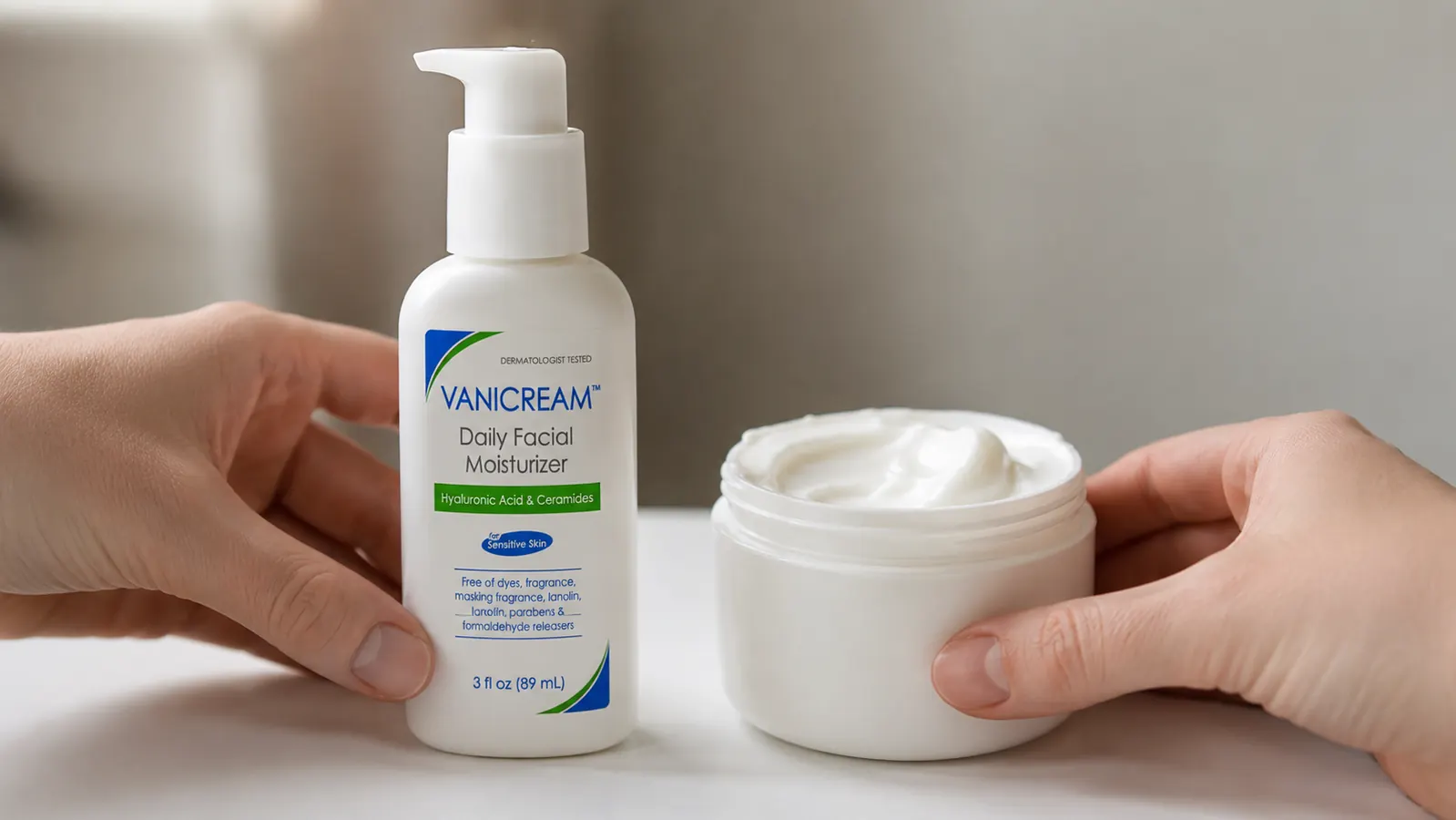
Vanicream is the right pick if your skin is reactive and has flared with fragrance, dyes, botanical extracts, or common preservatives. It's also the right choice if you're recovering from a skin flare and want to strip your routine back to bare essentials while your barrier heals. Dermatologists who treat eczema and contact dermatitis reach for Vanicream specifically because there's almost nothing in it to react to, which makes it one of the safest products to recommend to patients whose triggers are still being identified. If that describes you or someone you're buying for, this is a genuinely smart choice.
It also works well as a non-reactive buffer in a more complex routine, specifically if you're using retinol, AHAs, or BHAs and need a gentle, layer-compatible moisturizer that won't introduce extra actives or interfere with the other products you're using. Because Vanicream contains no actives of its own, it sits cleanly in a routine without competing or creating unpredictable interactions.
Who Should Skip It
Skip Vanicream if your primary problem is severe dryness, especially in winter. The formula doesn't have enough staying power for skin that's flaking, cracking, or feeling raw. You need something with occlusives in the formula, petrolatum, shea butter, or similar, to actually create a seal and let your skin hold onto moisture through a cold night. Vanicream will hydrate you and then let that hydration drift away by morning. For the truly dry, that's not enough and you'll know it within the first week.
Also skip it if you want your moisturizer to deliver visible results over time. Vanicream maintains your skin's health and protects the barrier. That's valuable, but it doesn't brighten, exfoliate, firm, or fade spots. And if sensory experience matters to you in a skincare product, the flat, clinical feel of this one will feel like a step down from almost anything else on the shelf at a similar price point. There's no shame in admitting that matters. It's just not what Vanicream was built for, and choosing the right product means being honest about what you're actually looking for.
If your skin is reactive and every other moisturizer has caused burning or redness, Vanicream deserves a real trial.
It's simple, dermatologist-tested, and genuinely free of the ingredients most often responsible for flare-ups. Check current stock and pricing on Amazon.
Amazon Check Today's Price on Amazon →