

Let me tell you what I told my coworker Marcus when he asked if CeraVe Eye Repair Cream would get rid of his dark circles: it depends entirely on what is causing them. He has the kind of under-eye darkness that runs in his family, the same purplish shadow his dad had, his uncle has, and probably his kids will have someday. I looked at the ingredient list on the CeraVe jar and told him the truth, this cream is not going to touch that. He bought it anyway. Three weeks later, he came back and said it did nothing. I was not surprised.
Here is the thing about a 4.3-star rating across 73,963 Amazon reviews: the people who love this product are usually measuring something different from the people who hate it. The fans have dehydrated, crepey under-eye skin and they feel real improvement in texture and tightness. The one-star reviewers, more often than not, expected it to erase structural darkness, bags from bone-deep hollows, or circles baked in by genetics. Those are two completely different problems, and one budget jar cannot solve both.
The Quick Verdict
A solid basic hydrator for the under-eye area with good tolerability, but it will disappoint anyone expecting dramatic dark-circle or depuffing results, especially if genetics are the root cause.
Amazon Check Today's Price →If your dark circles come from dryness, not genetics, this is worth trying at the current price.
CeraVe Eye Repair Cream is one of the most affordable fragrance-free, ceramide-based eye creams on the market. For surface-level hydration and mild fine-line smoothing, it delivers. Just go in with realistic expectations.
Amazon Check Today's Price on Amazon →How I've Used It and What I Was Actually Testing
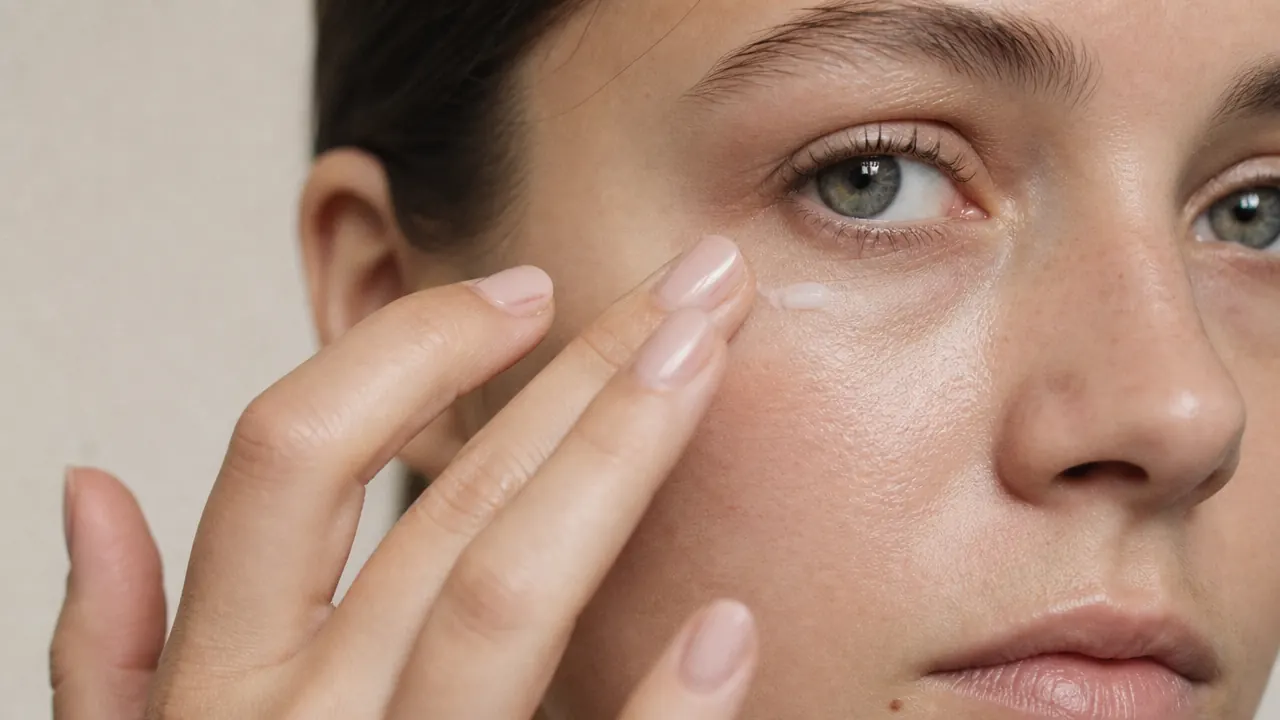
I am Tim. I test skincare products myself before I write about them. I have combination-to-oily skin, I am 34, and I have mild under-eye crinkling when I squint, not major lines, but enough that I notice them in photos. I also have some greyish discoloration under my left eye that I have had since my late twenties. I applied CeraVe Eye Repair Cream every morning and night for six weeks, pea-sized amount per side, ring finger only. I kept everything else in my routine constant.
I was specifically paying attention to three things. One: did the texture under my eyes feel any smoother or more hydrated? Two: did the fine lines around my eyes look any softer? Three: did my under-eye discoloration change at all? I took photos in the same bathroom lighting every Sunday morning. The six weeks gave me enough data to have an honest answer to each of those questions.
I also paid close attention to the tube. Because the tube is one of the first things that will surprise you about this product, and not in a good way.
The Tube Problem Nobody Warns You About
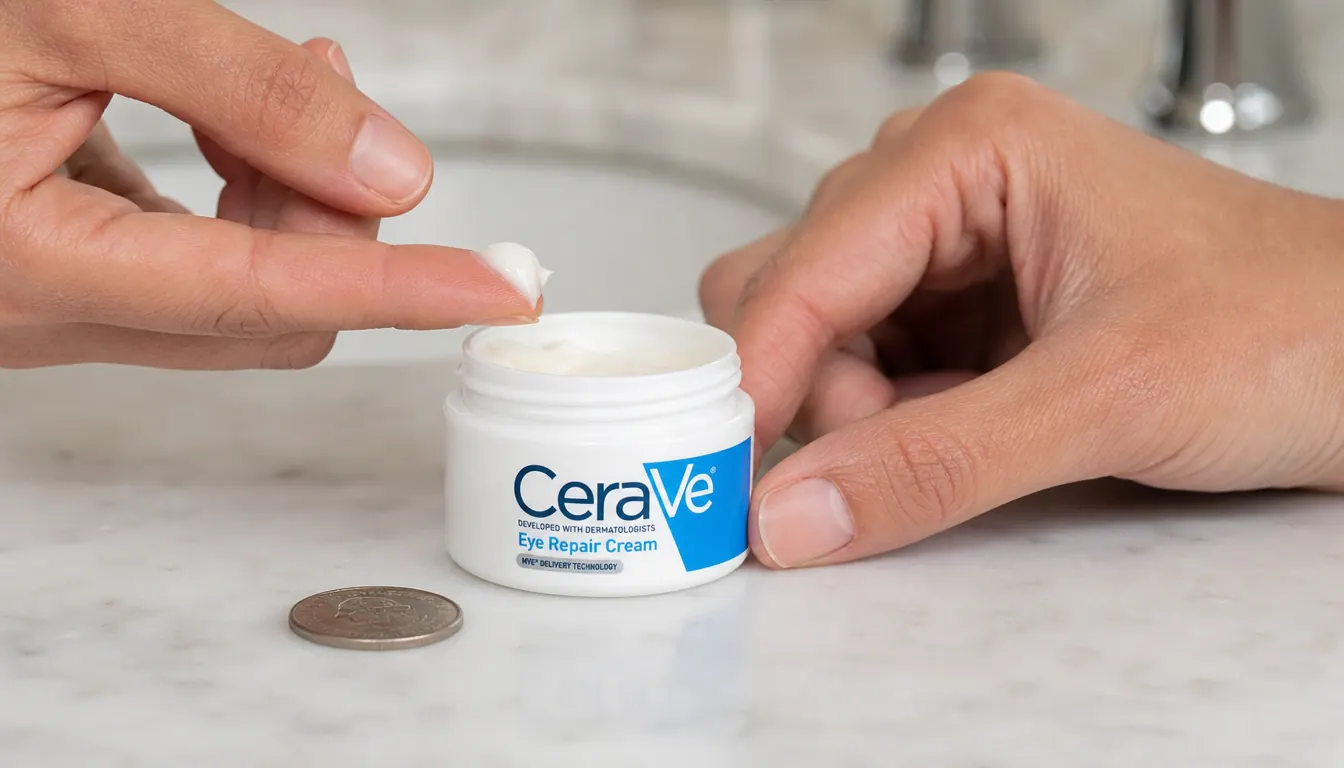
The jar is 0.5 fluid ounces. That is small. For reference, a standard lotion pump bottle of body moisturizer is typically 12 to 16 ounces. The CeraVe Eye Repair Cream jar is roughly 1/24th of that. When I opened it, my first thought was that I had accidentally bought a travel size. I had not. This is the full product.
Using it twice a day, morning and night, I went through the jar in just under five weeks. The math is not in your favor if you plan to use this consistently long-term. If you buy two jars per month, it adds up to a meaningful ongoing cost for a product that functions, at its core, as a basic moisturizer. You could argue a separate eye cream is unnecessary if you already use a gentle, fragrance-free face moisturizer that is safe around the eyes, and you would not be wrong. The CeraVe Eye Repair Cream is a good formula in a very small jar, and those two facts exist together without resolving the tension.
What the Ingredients Actually Do (and the One Thing They Cannot)
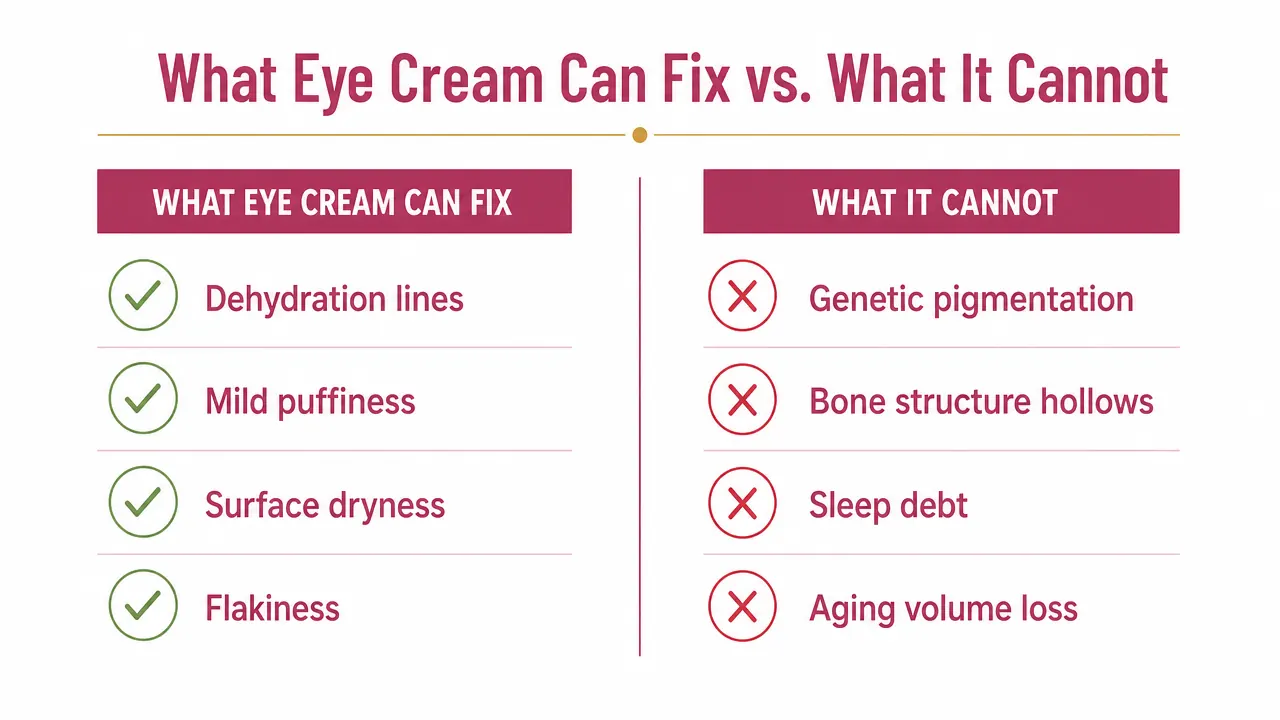
The active ingredients in CeraVe Eye Repair Cream are hyaluronic acid, niacinamide, and ceramides 1, 3, and 6-II. Hyaluronic acid draws moisture to the skin surface, which can temporarily plump fine lines caused by dehydration. Niacinamide at higher concentrations (five percent and above) has shown real evidence for brightening melanin-based dark circles over time. The problem is that CeraVe does not disclose the exact percentage of niacinamide in this formula, and given the price point and the company's general positioning, it is almost certainly well below five percent.
The ceramides are genuinely useful. Ceramides are lipid molecules that help maintain the skin barrier, and the under-eye skin is thinner and more fragile than the rest of the face. Keeping that barrier intact prevents transepidermal water loss, which is the slow leaking of moisture out of skin into the air. Over time, a compromised barrier under the eyes looks dry, crepey, and more lined. So ceramides here are doing real work, just quiet work.
What this formula cannot do is address vascular dark circles, which are the bluish-purple shadows caused by blood vessels showing through thin under-eye skin. It also cannot fix pigmentation dark circles caused by sun damage or genetic hyperpigmentation. And it cannot reduce the hollow-looking shadows that come from loss of facial volume with age, which is a structural issue that requires filler, not cream. If your dark circles fall into any of those three categories, no amount of consistent CeraVe Eye Repair Cream application will change what you see in the mirror.
I applied it morning and night for six weeks. My skin under my eyes felt measurably softer. My under-eye discoloration: unchanged. That gap between what the product can and cannot do is the whole story.
My Actual Results After Six Weeks
Here is the honest breakdown. Texture and hydration: yes, I noticed a real difference. The skin under my eyes felt consistently softer and less tight, particularly in the mornings. Before I started using this, I occasionally noticed my under-eye area looking slightly flaky if I had had a dry day or not slept well. That stopped within the first two weeks. Fine lines: mildly improved. When I compare my Week 1 photos to my Week 6 photos in good lighting, the small crinkles under my eyes look fractionally less pronounced. I would not call it dramatic. I would call it the kind of change you notice only because you are specifically looking for it.
Under-eye discoloration: no change I could detect. The greyish shadow under my left eye looked identical in my Week 6 photo as it did in Week 1. That is consistent with what the ingredients can realistically accomplish. My discoloration is vascular in origin, I can tell because it disappears when I apply pressure with a fingertip. Hyaluronic acid and low-concentration niacinamide are not going to reroute blood vessels or thicken skin to the point where the vessels stop showing through.
Tolerability was excellent. No stinging, no milia (those small white bumps that heavy eye creams can cause), no congestion. The formula is very gentle and I understand why people with reactive skin gravitate toward it. That part of the product's reputation is well earned.
Where It Genuinely Earns Its Rating
The 4.3-star average is not inflated. It is just accurate for a specific subset of users. If you are someone who has been skipping eye cream entirely, relying on regular face moisturizer around the eye area, and your under-eye skin shows it, this is going to feel like an upgrade. The targeted application, the lighter texture compared to a thick face cream, and the ceramide-forward formula all make a real difference for people whose primary problem is barrier damage and dehydration.
It is also one of the very few fragrance-free, dye-free eye creams at this price point that is genuinely well tolerated by sensitive skin. Most budget eye creams add fragrance or botanical extracts that sensitize the thin under-eye tissue. CeraVe keeps it clean. For people who have reacted to other eye creams, that restraint alone is worth the current price.
What I Liked
- Fragrance-free, dye-free, and excellent for sensitive skin that reacts to most eye creams
- Ceramides + hyaluronic acid measurably improve under-eye texture and hydration within 2-3 weeks
- Very low irritation risk, no stinging, no milia, safe for contact lens wearers
- Affordable entry point for dedicated eye-area skincare at drugstore price
- Lightweight enough to wear under makeup and SPF without pilling
Where It Falls Short
- 0.5 oz jar runs out in 4-5 weeks of twice-daily use, small quantity for the price
- Will not reduce vascular, pigment-based, or genetic dark circles at all
- Niacinamide concentration likely too low for meaningful brightening effect
- No caffeine or peptides for actual depuffing, mild puffiness improvement at best
- Results require consistent use for weeks before any texture improvement is visible
The Alternatives Worth Knowing About
If dark circle reduction is your primary goal, the Neutrogena Hydro Boost Eye Gel-Cream is worth comparing. It includes a higher-activity hyaluronic acid delivery system and sits lighter on the skin, which some people find more comfortable. It has its own trade-offs, including a slightly higher price point and no ceramides, but if hydration is the main driver and you want a gel texture, it competes directly. I go into detail on that comparison in my CeraVe vs Neutrogena Eye Cream breakdown.
If puffiness is your specific complaint, neither of these products is going to be your solution. Real morning puffiness reduction comes more from sleep position, sodium intake, and lymphatic drainage massage than from any topical cream ingredient. A cool eye mask or even a chilled stainless steel eye tool will do more for morning bags in five minutes than any cream applied overnight. That is just the truth, and most eye cream marketing does not want you to know it. For a practical morning routine that combines these techniques with the right topical, I cover that fully in my guide on how to reduce under-eye puffiness.
Who This Is For
CeraVe Eye Repair Cream is a genuinely good product for people who have dry, crepey, or dehydration-compromised under-eye skin. If your dark circles worsen significantly when you are tired or dehydrated (a sign they have a hydration component), this will help. If you have reactive skin and have burned yourself with fragrance-loaded eye creams before, this is the safe choice. If you are just getting started with an eye cream and want a low-risk, well-formulated entry point that a dermatologist is unlikely to criticize, this is the right pick.
Who Should Skip It
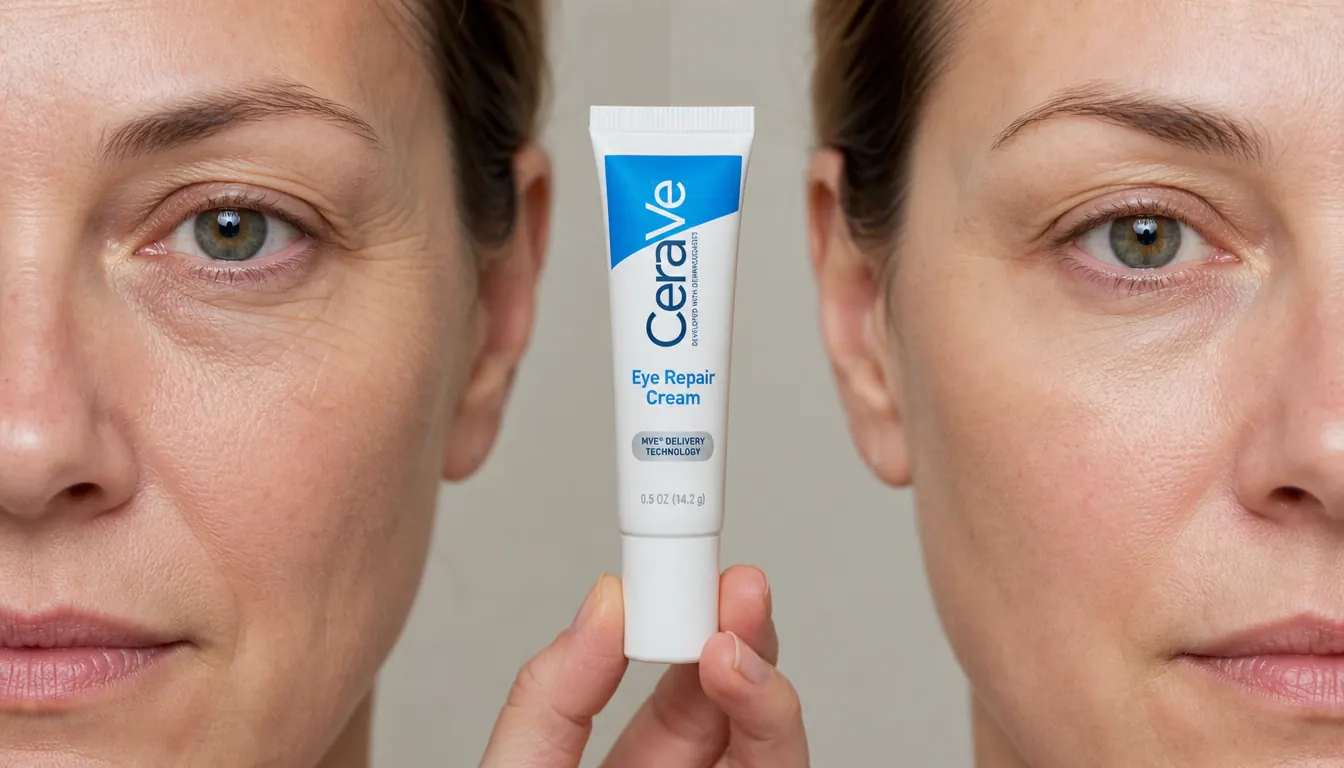
If your primary concern is genetic or vascular dark circles, save your money, or save it for a product with five percent or higher niacinamide, which has actual clinical evidence for melanin-related pigmentation. If you need significant depuffing, look into lifestyle changes before spending on any topical product. If you are frustrated by how quickly the tube runs out at this volume, either buy two at a time when they are on sale or consider using a very gentle fragrance-free face moisturizer around your eye area instead, the barrier benefit will be similar. And if you are expecting the transformation shown in the stock photos on the listing page, go in knowing that a six-week commitment will yield modest, real-but-subtle improvements, not the before-and-after shot you are imagining.
For what it actually does, it earns its place, just read the fine print before expecting miracles.
CeraVe Eye Repair Cream is best for anyone whose under-eye problems come from dehydration and barrier damage rather than genetics. Check current availability and pricing on Amazon before buying two at once.
Amazon Check Today's Price on Amazon →