
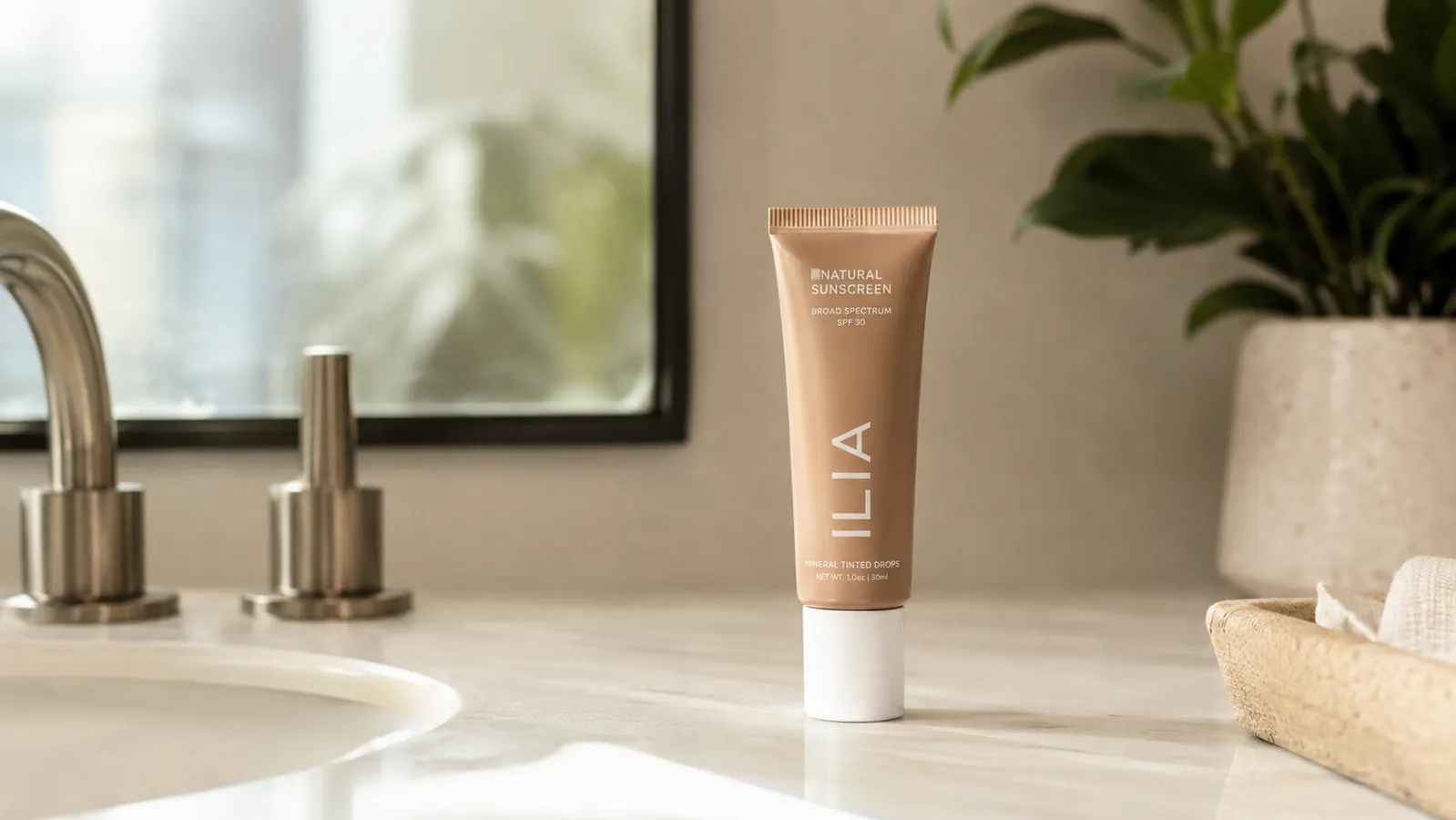
I want to be upfront with you: CeraVe Tinted Mineral Sunscreen SPF 30 is genuinely a good product. I have been using it off and on for about ten weeks, and I understand why it has north of 72,000 Amazon reviews and a 4.4-star rating. For the right person, it is an easy recommendation. But the Amazon review section glosses over a few things that I think are worth saying out loud before you click buy, especially if your skin tone falls outside the narrow band this tint was designed for.
This is the 'what nobody tells you' version of my look at this sunscreen. I am not going to rehash every mineral filter detail or the ceramide story. Instead I am going to focus on the honest friction points: the tint range problem, the reapplication reality, the texture in heat, and a few situations where I would tell someone to reach for something else instead.
The Quick Verdict
A solid mineral SPF with genuine skincare benefits, but the single universal tint is a real limitation, and it needs more product and more frequent reapplication than most people use.
Amazon Check Today's Price →If you've already decided it's right for your skin tone, here's where to grab it.
CeraVe Tinted Mineral Sunscreen SPF 30 with Zinc Oxide and Hyaluronic Acid. Check current availability and pricing on Amazon before it goes out of stock in your shade range.
Amazon Check Today's Price on Amazon →How I Actually Used It
I am a 34-year-old guy with light-to-medium skin, somewhere in the NC15 to NC20 range if you use foundation shades as a reference. I applied this sunscreen as the last step in my morning routine for 70 days. Most days I wore it alone over a moisturizer. A handful of days I skipped the moisturizer and used just this. I also tested it over three different extended outdoor sessions, two of which involved direct sun for more than two hours.
I asked two people with deeper skin tones to try it as well, because I knew my skin tone sits in the sweet spot this tint was engineered for and I did not want to miss the story. My coworker Marcus, who has medium-dark brown skin, tried it for three mornings. My neighbor Priya, with deeper South Asian skin, tried it for five days. Their observations are included below.
I paid for this product myself and have no relationship with CeraVe. What follows is what I actually noticed.
The Tint Range Problem: Let's Talk About It Directly
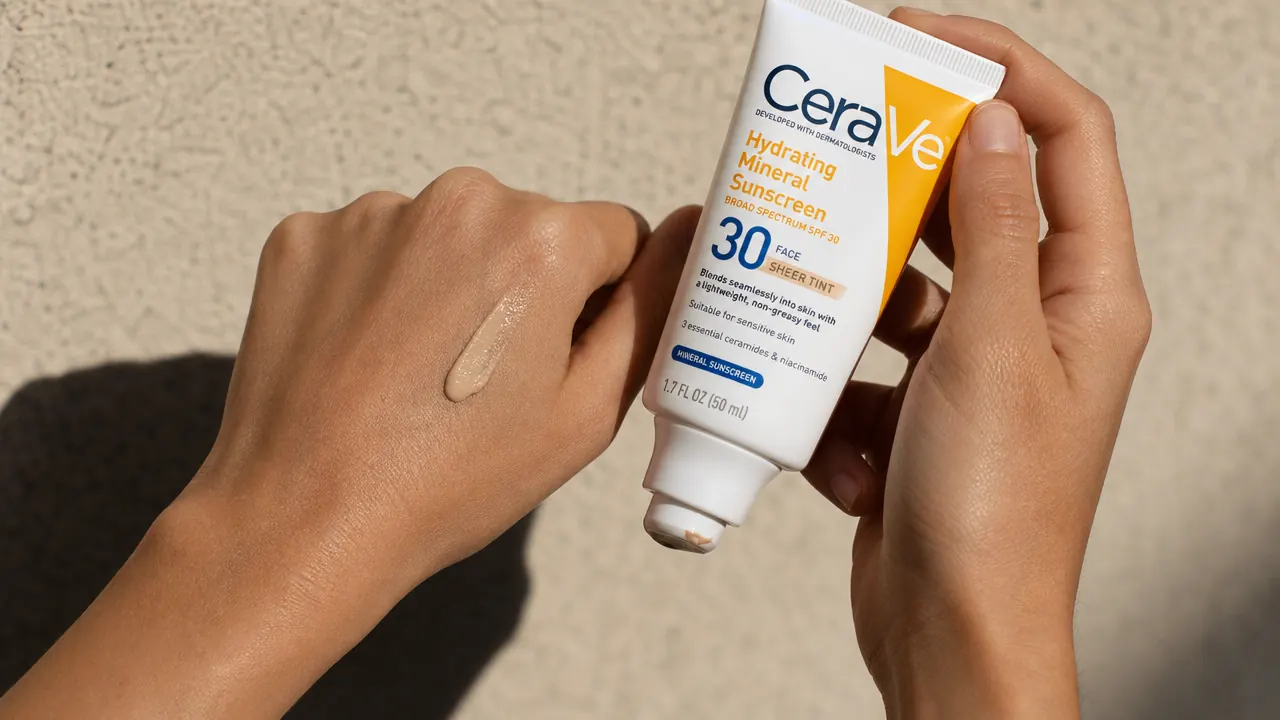
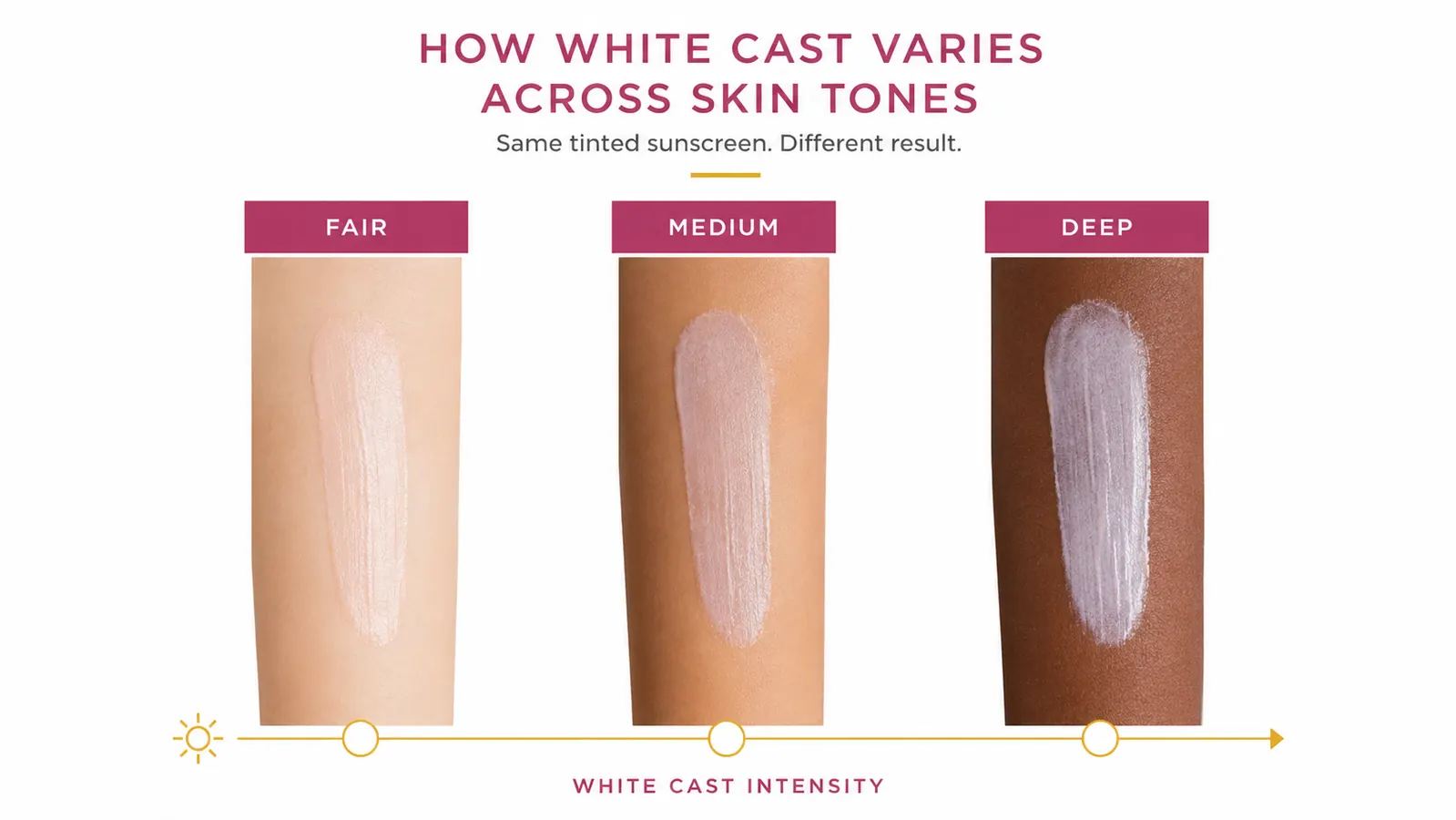
The word 'tinted' on this sunscreen is doing a lot of work. There is one tint. One. It is a light beige that sits somewhere between the foundation shades of fair and medium skin tones. For people in that range, it blends in beautifully and gives a soft, skin-like finish. For anyone with medium-dark to deep skin, it sits on top of the skin as a grayish-white film that does not blend away, even with thorough rubbing.
Marcus tried applying a thin layer, then a thicker layer, then mixing it with a small amount of his moisturizer. The white cast was still visible in all three attempts. His words: 'It looks like I rubbed chalk on my face and then tried to blend it in.' That is not an exaggeration. Mineral filters, zinc oxide in particular, are naturally white, and the tint CeraVe added is calibrated for light skin. There is no version of this product for deeper skin tones.
Priya had the same result. After three days she switched back to her usual chemical SPF. She said she would not recommend this to anyone with skin deeper than what she described as 'a light tan.' That tracks with what dermatologists note about mineral tinted sunscreens generally: the universal tint concept works in a narrower range than the marketing implies.
The Texture Is Thick. Thicker Than You Are Probably Expecting.
The formula is rich. Noticeably so. On first pump it looks like a thick BB cream, not like a light sunscreen fluid. For my combination skin this was fine in cool morning temperatures, but on warm days when I was outdoors for longer stretches, I noticed it getting heavy by midday. Not greasy exactly, but you are aware it is there in a way that a lighter chemical SPF would not announce itself.
People with oily skin types should pay attention to this. The formula does contain hyaluronic acid and niacinamide, both of which have some oil-control reputation, but this is fundamentally a hydrating formula. If your skin is oily by nature, the thickness of this product may push you into shine territory by 11 a.m. I spoke to two people with self-described oily skin who found it too heavy as a standalone product and preferred to use it in winter only.
On warm days outdoors, this sunscreen reminds you it is there. That thickness is a feature in winter and a friction point in July.
Reapplication: The Part Nobody Does, But Everyone Should
SPF 30 gives you real protection, but it requires reapplication every two hours when you are outdoors. This is true of every sunscreen and is not a knock on CeraVe specifically. What IS worth noting is that this sunscreen is harder to reapply than most people realize.
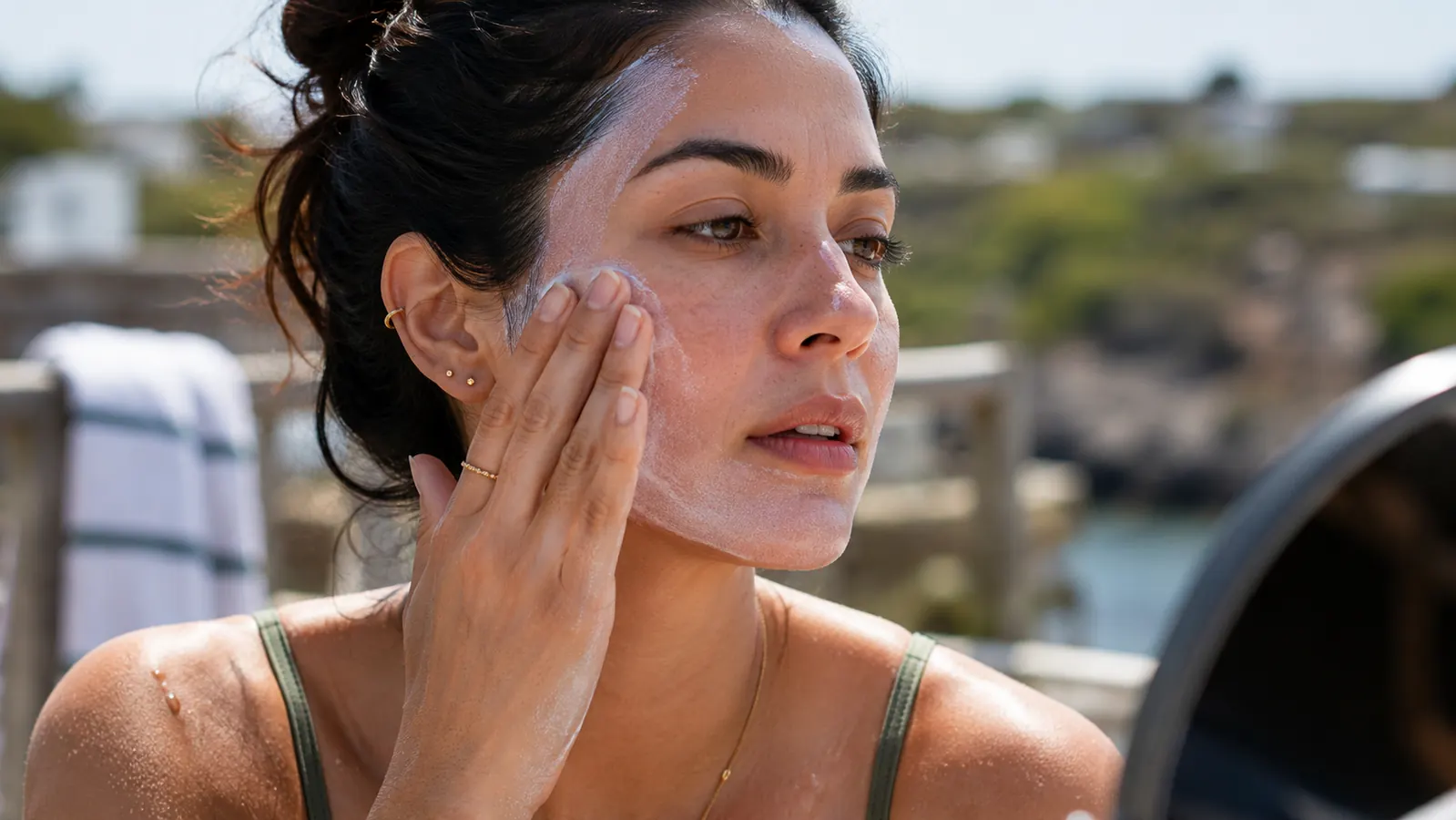
If you are wearing this as a base and then spending the morning at a desk, you are fine. But if you are outdoors for any meaningful stretch, applying a second layer over existing product, sweat, and any makeup you have on top creates a thick, pill-y mess that does not look clean. The workaround most dermatologists suggest is using an SPF setting spray or SPF powder for midday touch-ups rather than trying to layer more of this cream. That is a reasonable solution but it means you are buying an additional product, which undercuts the simplicity argument.
For purely indoor days or short outdoor exposure, single morning application is fine. For beach days, hikes, or anything involving sustained outdoor time, build your reapplication plan before you leave the house. This sunscreen rewards people who plan around it.
What the Formula Actually Gets Right
Despite the friction points above, I want to be accurate: the formula itself is well constructed. Zinc oxide as the active filter is a smart choice for sensitive and reactive skin. Chemical filters like avobenzone and oxybenzone are effective but cause stinging or breakouts for a meaningful percentage of people. Zinc oxide sits on top of the skin and reflects UV physically. It does not penetrate or interact with skin chemistry in the same way. If you have ever had a chemical SPF cause a rash or sting around the eyes, switching to this mineral formula typically resolves that immediately.
The ceramides and hyaluronic acid in the base are not marketing additions. Both are present in amounts that contribute to the hydrating feel. After ten weeks of daily use I noticed that my skin felt less tight in the morning than it did before I added this to my routine. Whether that is the ceramides or simply the added moisture barrier, the net effect is positive. The niacinamide is present but at a low enough concentration that you should not count on it for active skin concerns.
For fair to medium skin tones with sensitive or dry-leaning skin, the formula earns its reputation. The issue is not the formula. The issue is the tint and the texture, which are real constraints depending on who you are and how you live.
Alternatives Worth Knowing
If you want a tinted mineral SPF but your skin tone makes this one a mismatch, La Roche-Posay Anthelios Tinted Mineral SPF 50 is the most commonly cited upgrade. It costs significantly more but has a wider tint range and a lighter texture. I do a full head-to-head in my separate comparison article if that is what you are deciding between.
If the texture issue is your main concern and tint matters less, an untinted zinc oxide sunscreen layered under a setting powder that matches your skin tone achieves a similar effect with a lighter day-to-day feel. It requires more steps, but for oily skin types in warm climates it often works better as a daily system. See my article on wearing sunscreen every day without white cast for a full routine breakdown on that approach.
For people with deeper skin tones specifically, the current landscape of tinted mineral SPF is genuinely limited. The honest answer is that most formulas with a meaningful tint range lean toward chemical filters. Black Girl Sunscreen and Fenty Skin Hydra Vizor are two options that have been developed with a wider range of skin tones in mind if that is your priority.
What I Liked
- Zinc oxide mineral filter is ideal for reactive and sensitive skin that cannot tolerate chemical SPF
- Ceramides and hyaluronic acid provide real hydration; skin feels smoother after consistent use
- Tint neutralizes the white cast effectively for fair to medium skin tones
- Niacinamide in the formula helps calm redness for those with mild sensitivity
- Fragrance-free and non-comedogenic, unlikely to cause breakouts
- SPF 30 is a practical daily level for standard outdoor exposure
- Wide availability at most drugstores and online
Where It Falls Short
- Single universal tint fails on medium-dark to deep skin tones, leaving a grayish-white cast
- Rich, thick texture can feel heavy for oily skin types, especially in warm weather
- Reapplication over makeup or sweat is messy and creates pilling
- No SPF 50 option in this tinted formula; higher protection seekers need to look elsewhere
- The tint does not cover redness or blemishes the way a BB cream or tinted moisturizer would
Who This Is For
This sunscreen makes the most sense for someone with fair to medium skin who wants a mineral-only SPF, struggles with chemical filter sensitivity, and values a hydrating formula with skincare ingredients built in. If you work primarily indoors, step outside for commuting and errands, and want your morning sun protection handled in one simple step, this earns its place in a routine. The tint level is specifically right for that skin tone range, and the finish will look natural without any additional coverage products.
Who Should Skip It
Skip this if your skin is medium-dark or deeper. The tint will not work for you. Skip it if you have oily or acne-prone skin in a warm climate. The texture will likely push your shine and could clog pores over time. Skip it if you need SPF 50 for extended outdoor activities. And skip it if you are hoping the niacinamide will actively improve hyperpigmentation or dark spots at this concentration. It will not be working hard enough at this level to drive visible change on its own. If those specific concerns drive your decision, there are better-targeted products available. I link to the full comparison against La Roche-Posay above if you want a direct side-by-side.
Fair to medium skin and want a mineral SPF that actually hydrates? This is a strong pick.
CeraVe Tinted Mineral Sunscreen SPF 30 is worth the click if you land in its sweet spot. Check today's price on Amazon and look at the review photos to see the finish on skin tones similar to yours.
Amazon Check Today's Price on Amazon →