
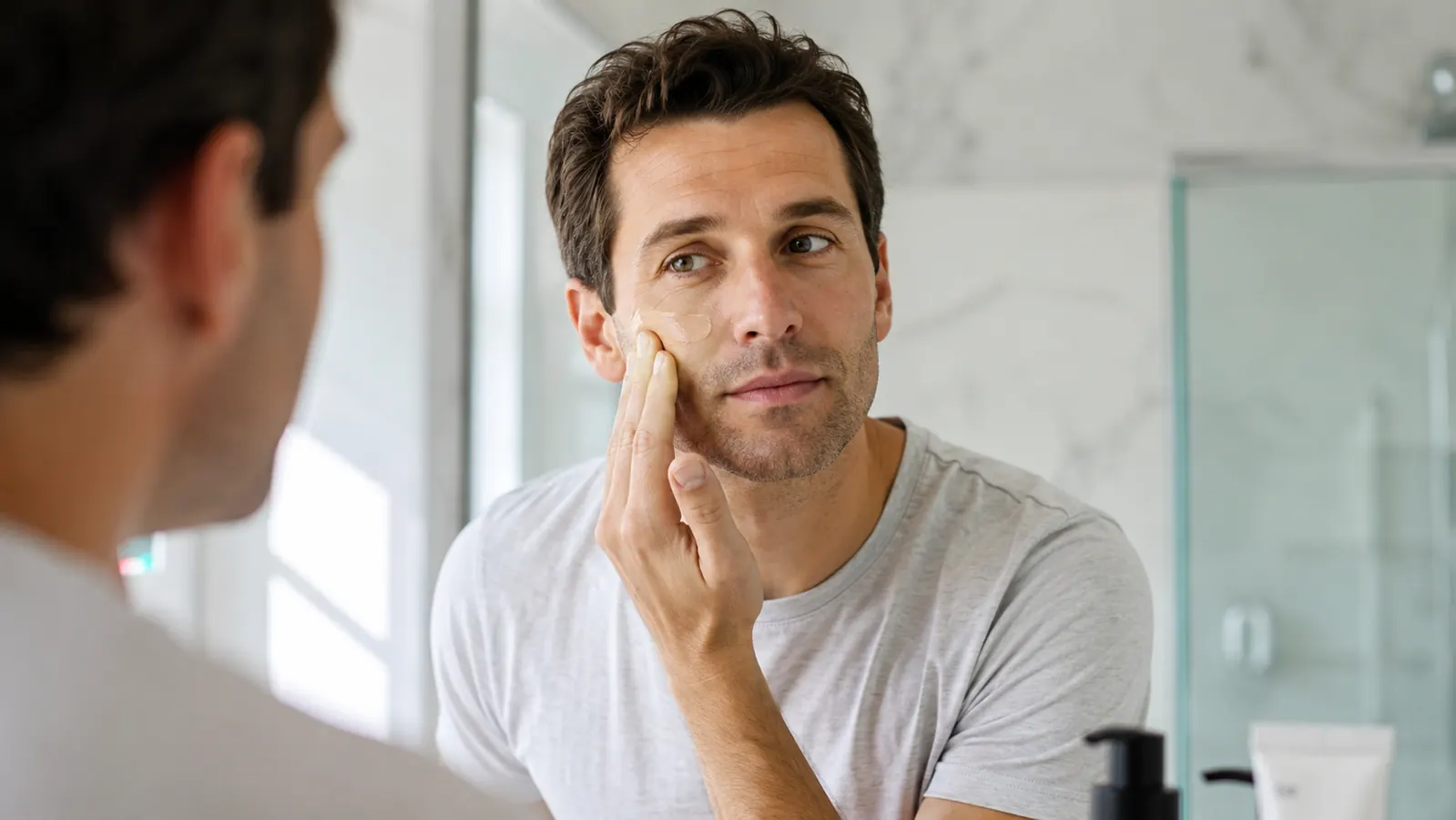
I skipped sunscreen for most of my twenties. Not because I didn't know better. Because every SPF I tried made my face look like I'd rubbed chalk dust into my pores. The white cast sat on top of my skin like a film, my T-zone turned greasy by 10am, and anything I layered over it balled up and pilled off. I tried chemical sunscreens, mineral sunscreens, spray sunscreens. Some were better than others, but none of them made me want to wear SPF every single day. So I didn't.
The problem turned out to be partly formula, partly technique. Once I figured out both, daily sunscreen stopped feeling like a chore and started feeling like nothing at all. I have now worn CeraVe Tinted Mineral Sunscreen SPF 30 six days a week for the past four months, and my skin looks better, not worse, for it. If SPF has always felt like a deal-breaker for you, this guide will walk you through exactly what changed for me, step by step.
The sunscreen that finally convinced me to show up every morning
CeraVe Tinted Mineral Sunscreen SPF 30 uses zinc oxide for broad-spectrum UVA/UVB protection, has a sheer tinted finish that blends into most skin tones, and layers over moisturizer without pilling. With a 4.4-star rating and over 72,000 Amazon reviews, it is the formula I reach for every morning.
Amazon Check Today's Price on Amazon →Step 1: Pick a Tinted Mineral Formula (Not Whatever Is Cheapest)
The single biggest reason people end up with white cast is using the wrong type of sunscreen. Chemical sunscreens absorb UV rays through a set of synthetic filters and tend to sit lighter on the skin, but they can sting sensitive skin and some formulas cause breakouts around the mouth and chin. Mineral sunscreens use zinc oxide or titanium dioxide to physically block UV rays, which is gentler, but traditional zinc-heavy formulas leave a thick white residue that looks terrible on medium to deep skin tones and pretty rough even on fair skin.
Tinted mineral sunscreens thread the needle. The iron oxide pigments that create the tint also neutralize the white cast from the zinc. The CeraVe Tinted Mineral Sunscreen uses this approach, and the result is a translucent sheer finish that takes on the color of your skin rather than sitting on top of it as a white layer. It will not perfectly match a dark complexion, but for light to medium skin tones it is nearly invisible. And because it contains ceramides and hyaluronic acid alongside the SPF, it functions as a moisturizer and sun protection in one step, which makes it far easier to stick with.
When you are shopping for a formula, look for zinc oxide as the only active ingredient (or zinc plus titanium dioxide, not a blend of synthetic chemical filters). Look for the words 'sheer tint' or 'tinted' on the label. And check that the formula is non-comedogenic, meaning it is tested to not clog pores. Those three criteria will screen out 90 percent of the sunscreens that cause the issues most people complain about.
Step 2: Use Enough (The Two-Finger Rule)
Most people who think their sunscreen is not working are not applying enough of it. The SPF number on a bottle is measured in a lab using a specific application amount, roughly two milligrams per square centimeter of skin. For your face and neck together, that translates to about a quarter teaspoon, or what dermatologists call the two-finger rule: squeeze a line of sunscreen from the base of your index finger to the tip, then do the same on your middle finger. That is your minimum dose for face and neck. Use less and you are not getting the SPF on the label.
I used to use maybe a third of that amount, and then I wondered why I was still getting pink across my cheeks and nose. Once I committed to the full two-finger dose, the protection improved and, counterintuitively, the greasiness improved too. A thin under-applied layer of sunscreen sits on the surface of the skin and looks shiny. A properly blended full dose has enough emollients and hydrating agents to absorb more uniformly, giving a more even, matte finish.
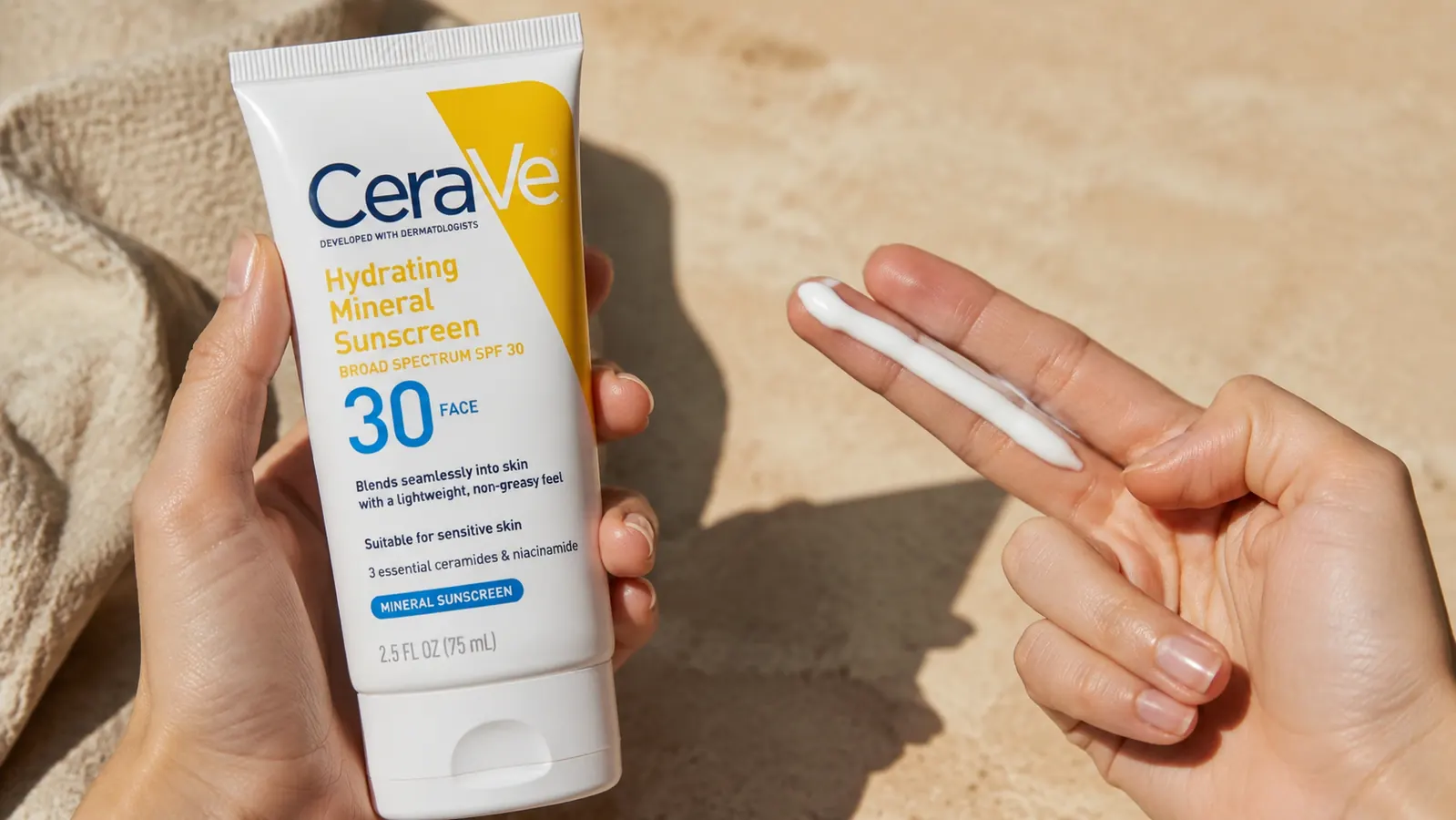
With CeraVe Tinted Mineral Sunscreen specifically, the consistency is thin enough that the full dose does not feel heavy. It dispenses as a lightweight lotion, not a thick paste, so applying the proper amount does not result in visible buildup. That said, if you are using a thicker zinc formula and find the full dose too heavy, switch formulas before you start shorting yourself on SPF.
Step 3: Let Your Moisturizer Absorb First
Pilling, where sunscreen rolls off your skin in little rubbery balls when you rub it in, is almost always a layering problem. It happens when you apply sunscreen on top of a moisturizer that has not had time to sink in. The sunscreen film has nothing to grip and the two products interact on the surface, creating friction that causes balling. This is the number one complaint I hear from people who say sunscreen does not work on their skin, and the fix is embarrassingly simple.
Apply your moisturizer, then wait. Sixty seconds is enough in most cases. Ninety seconds is better if you use a heavier cream. If you are in a rush, you can gently press the moisturizer in with clean palms to speed up absorption, but do not rub hard or you will create the same friction that causes pilling. Once the moisturizer is absorbed and your skin feels smooth but not slick, you are ready for sunscreen.
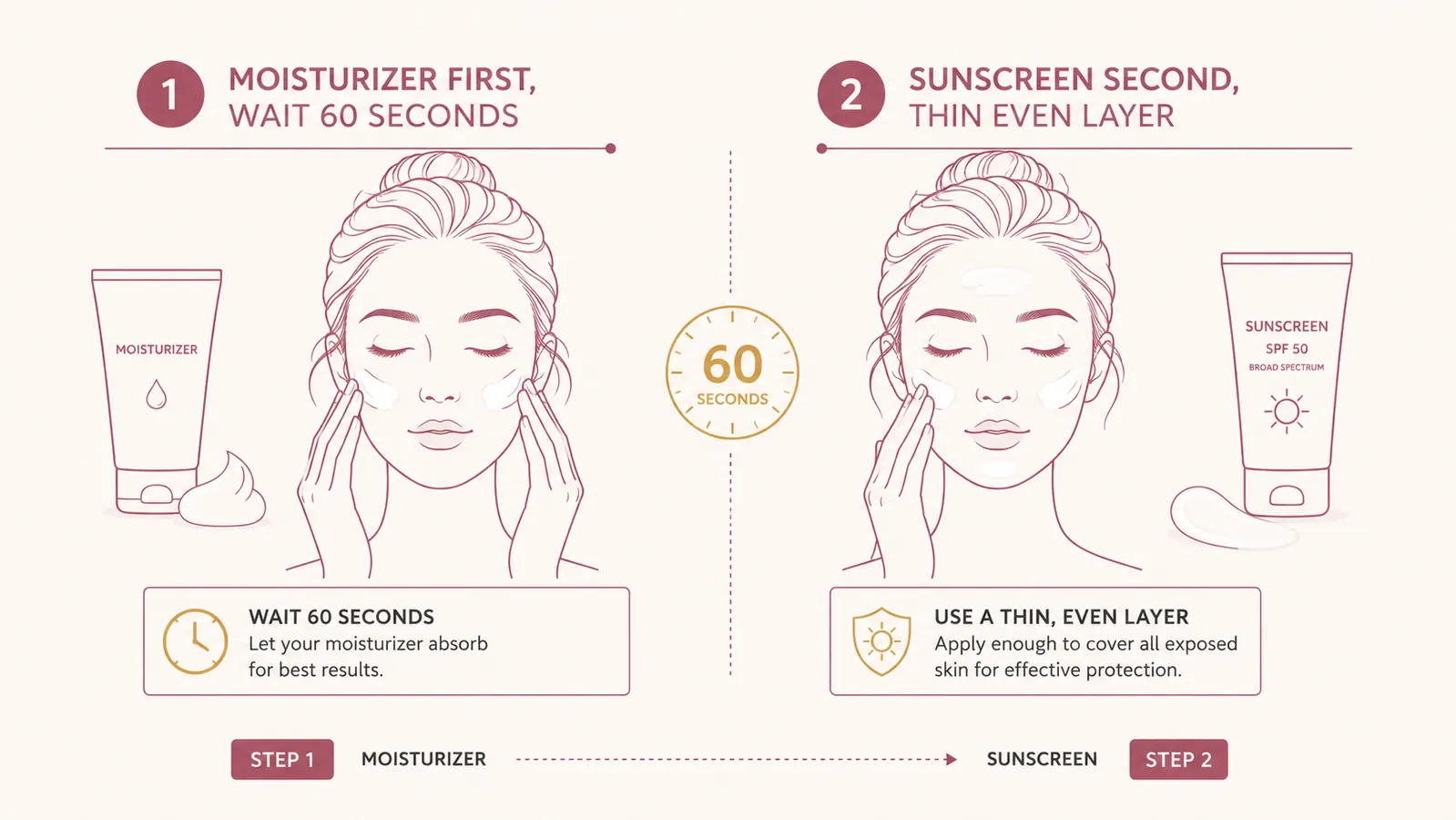
The CeraVe Tinted formula layers particularly well over lightweight moisturizers like Vanicream or CeraVe Moisturizing Lotion. It layers less gracefully over very occlusive creams or sleeping masks. If your current moisturizer is on the heavier side, you may want to switch to a lighter one for your morning routine and reserve the richer formula for nighttime use.
Step 4: Blend in Thin Layers, Not One Thick Pass
The other half of the pilling equation is how you apply sunscreen, not just what you apply it over. The common mistake is squeezing the full dose into one spot on your face and then rubbing it around from there. That creates uneven coverage, with some areas over-saturated and others bare, and it overworks the product in one area before it has a chance to spread.
Dot the product instead. Squeeze your two-finger dose into your palm, then use a fingertip to dot small amounts across five points on your face: forehead, nose, chin, left cheek, right cheek. Then use light upward strokes to blend each dot outward, overlapping slightly in the center. This takes maybe fifteen additional seconds compared to the one-swipe method, and the coverage is dramatically more even. Pay attention to the hairline, jaw, and the sides of your nose, where people tend to miss.
If you see any white residue after blending, it usually means the layer is too thick in that spot. Gently press with your palm rather than rubbing. Pressing spreads the product without creating friction. For the CeraVe Tinted formula, I rarely see any residue at all using the dot-and-blend method, which is part of why this particular sunscreen became my daily driver.
Step 5: Reapply at Midday (Yes, Even Indoors)
Sunscreen is not a one-and-done application. The active ingredients, zinc oxide in particular, remain effective for roughly two hours of direct sun exposure. If you are outside, that means reapplying every two hours without fail. If you are mostly indoors near windows, you still need to reapply once around midday, because UVA rays, the ones responsible for aging and hyperpigmentation, pass through glass. I learned this the hard way after four weeks of perfect morning application and still noticing that the skin near my car window was looking uneven.
The midday reapplication is where many sunscreen routines fall apart, because you either have makeup over the top or you simply forget. A few things that help: set a calendar reminder for noon, keep a travel-sized bottle at your desk, and if you wear makeup, look for a setting powder with SPF or a sunscreen stick you can press on top without disrupting your base. The CeraVe tinted formula comes in a size small enough to keep in a desk drawer or bag. I keep one at my workstation and one in my jacket pocket.
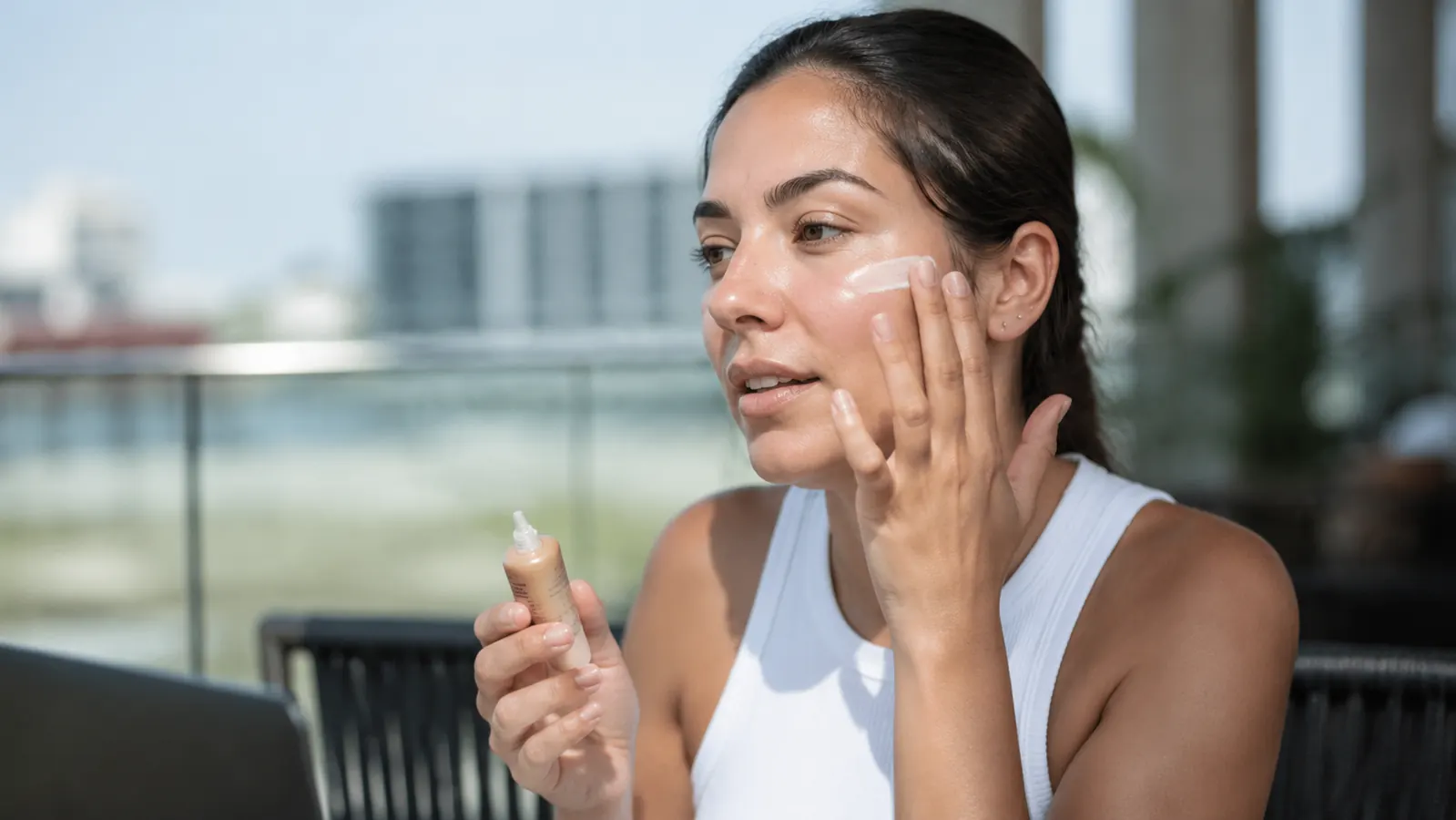
Reapplication does not need to be a full routine reset. A light second layer over your existing makeup or base is enough. The goal is refreshing the active ingredient concentration, not starting over. Press it in gently rather than rubbing so you do not disrupt anything underneath.
What Else Helps
Beyond the five steps above, a few smaller adjustments made a noticeable difference in how well my sunscreen routine held up day to day. First, keeping your skin well-hydrated underneath SPF reduces the chance of the formula looking patchy or accentuating dry texture. If your moisturizer is doing its job and your skin is plump and smooth before sunscreen goes on, the SPF layer has a much more even canvas to work with.
Second, avoid mixing sunscreen with other products in your palm before applying. Some people mix SPF with foundation or tinted moisturizer to save a step. This dilutes the active ingredient concentration and undermines the SPF rating you are counting on. Apply them separately, even if it takes an extra minute.
Third, if you are using any exfoliating acids, retinol, or active treatments in your routine, keep those exclusively in your evening routine rather than your morning routine. Exfoliated skin is more sun-sensitive, and adding SPF on top of an active morning serum increases the chance of irritation and can sometimes affect how the sunscreen sets. Morning routine should be cleanser, moisturizer, and SPF, in that order. That simplicity is what makes it sustainable.
Finally, check the expiration date on your sunscreen. Active ingredients degrade over time. A bottle you opened fourteen months ago and left in a hot car is probably not delivering the SPF printed on the label. Most formulas are good for twelve months after opening. If yours has been rattling around the bottom of a bag since last summer, replace it.
The white cast was not the sunscreen's fault. I was applying it on top of a moisturizer that had not absorbed, using half the right dose, and calling it done in under ten seconds. The formula was fine. My technique was not.
Ready to make SPF a habit that actually sticks?
CeraVe Tinted Mineral Sunscreen SPF 30 is the formula I come back to every morning. Zinc oxide broad-spectrum protection, ceramides for barrier support, a sheer tint that kills the white cast, and a non-comedogenic formula that does not clog pores. Check today's price on Amazon and see the current reviews.
Amazon Check Today's Price on Amazon →